
Freshwater Fishing for Beginners – The Ultimate Guide (2026)
This post contains affiliate links. If you purchase through these links, I may earn a small commission at no extra cost to you.
Introduction
Are you looking for a complete guide to freshwater fishing for beginners? Well you have come to the right place.
Did you know that over 52 million Americans went fishing last year? That’s more people than play golf and tennis combined. I remember the first time I heard that statistic — it genuinely surprised me. Fishing always seemed like this quiet, niche hobby that only retired guys with boats did on Sunday mornings. But the truth is, fishing is one of the most accessible, rewarding, and downright fun outdoor activities you can pick up at any age.
I’ll be honest with you. My first fishing trip was a disaster. I was getting snagged on the bottom, in the trees, and battling numerous bird’s nests and backlashes, and didn’t catch a single fish. But something about sitting on that riverbank, watching the water move, feeling the sun on my face — I was hooked.
Freshwater fishing is the perfect starting point for beginners. You don’t need a boat. You don’t need expensive gear. You don’t need to live near the ocean. Lakes, ponds, rivers, and streams are everywhere in the US, and most of them are loaded with fish just waiting to be caught. Whether you want to bond with your kids on a Saturday morning, find a new way to decompress after a stressful week, or actually put fresh food on the table — fishing can check all those boxes.
In this guide, I’m going to walk you through absolutely everything. We’re talking gear, licenses, techniques, bait, fish species, and a whole lot of tips I learned the hard way, so you don’t have to. By the time you finish reading this, you’ll have everything you need to grab a rod and head to the water with confidence. Let’s get into it!
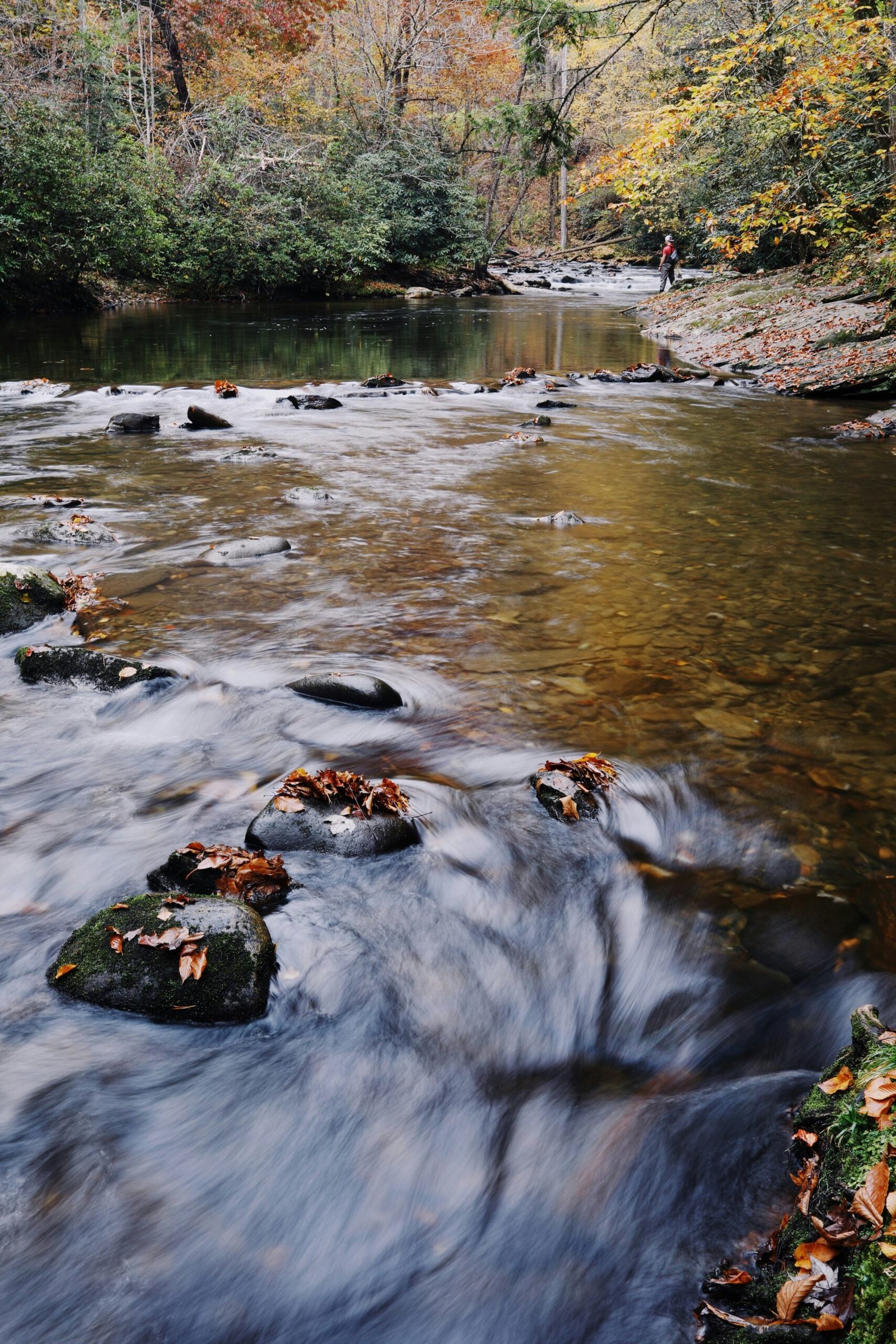
Table of Contents
What Is Freshwater Fishing and Why Should You Start?
So let’s start at the very beginning — what exactly is freshwater fishing? Simply put, it’s fishing in any body of water that isn’t saltwater. That means lakes, rivers, ponds, reservoirs, streams, and creeks. As opposed to saltwater or ocean fishing, freshwater fishing is generally cheaper to get into, easier to access, and way more forgiving for beginners.
The fish you’ll encounter in freshwater are totally different from ocean fish too. We’re talking species like bass, trout, catfish, bluegill, and crappie. These are the bread and butter of American fishing culture, and honestly, some of them are just flat-out fun to catch.
But why should YOU start fishing? Well, I could give you a list of clinical benefits — and I will — but let me just say this first: there’s something almost meditative about it. When I’m out on the water, phone in my pocket, line in the water, I’m not thinking about my to-do list or my inbox. My brain just… quiets down. Studies have actually shown that fishing reduces cortisol levels (that’s your stress hormone) and improves overall mental wellbeing. So yeah, it’s basically therapy. But cheaper. And you might catch dinner.
Beyond the mental health benefits, freshwater fishing is an incredible way to connect with family. I’ve seen kids who won’t look up from their screens get completely locked in the moment they feel their first bite. There’s real magic in that. And from a practical standpoint, learning to catch and cook your own food is a skill that builds real confidence and self-sufficiency.
According to the American Sportfishing Association, fishing contributes over $125 billion to the US economy annually. That tells you something about how seriously Americans take this hobby. And the best part? You can get started for well under $50. A basic rod and reel combo and some tackle — that’s really all you need to have a legitimate shot at catching fish on day one.
Freshwater environments each have their own personality, too. A still pond fishes very differently than a fast-moving river or stream. A deep reservoir requires different tactics than a shallow farm pond. Part of the joy of this hobby is learning to read those environments and adapt. And trust me, once you start figuring it out, it becomes genuinely addictive. I’ve known people who started fishing “just to try it” and were buying their second rod within three weeks. Don’t say I didn’t warn you.
Essential Freshwater Fishing Gear for Beginners
Okay, let’s talk gear. This is where a lot of beginners get overwhelmed — and honestly, I get it. Walk into any Bass Pro Shop and it looks like a fishing gear museum exploded. There are entire walls of lures, dozens of rod styles, and reels that cost more than my first car payment. But here’s the truth: you do not need any of that stuff to get started.
Let me break it down into what actually matters for beginners.
Rods and Reels
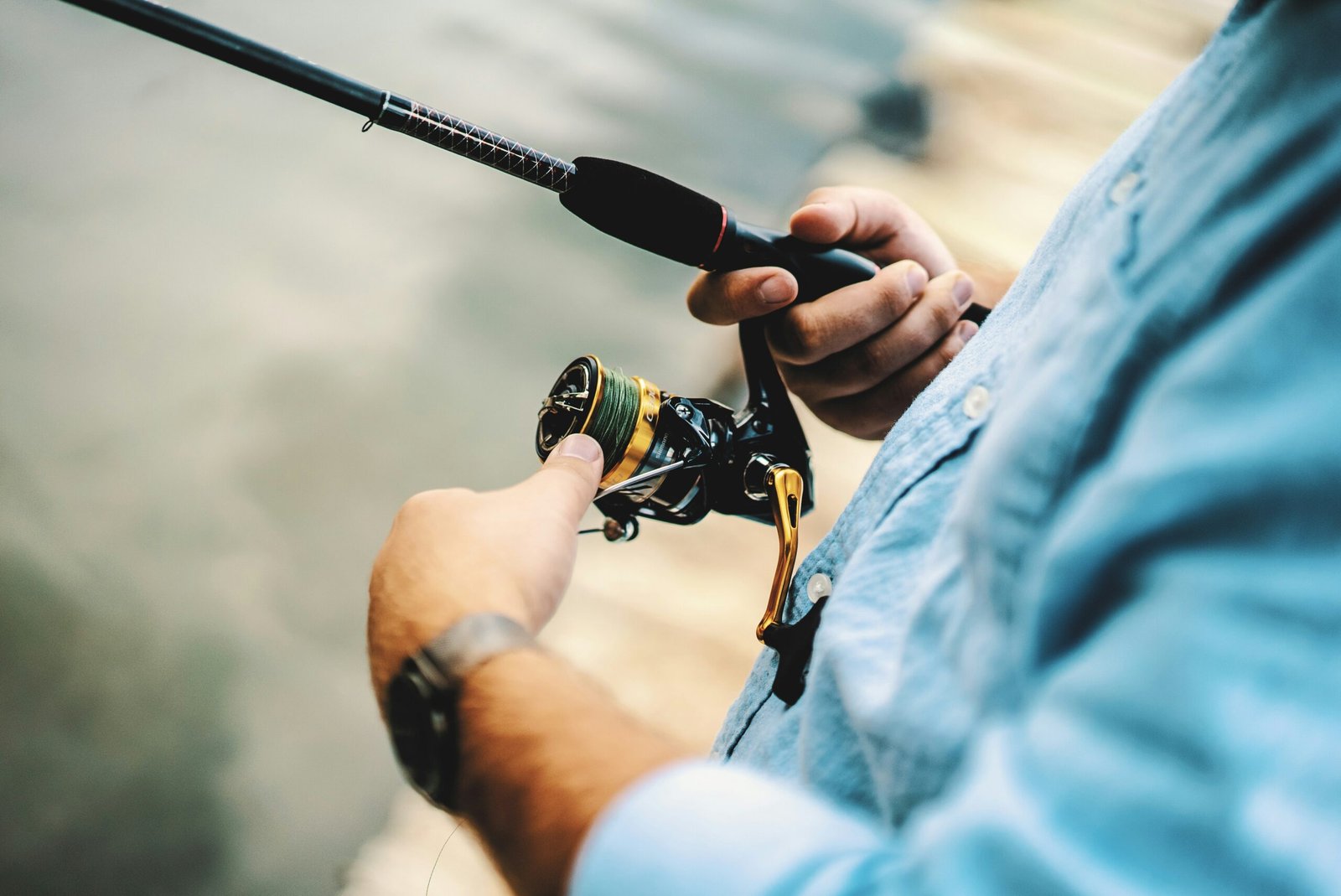
For a first-time angler, I always recommend a spinning rod and reel combo. Why? Because they’re easy to use, easy to cast, and very forgiving when you make mistakes — and you will make mistakes. Save the baitcasting reels for after you get more experience.
Look for a rod that’s around 6 to 7 feet long with a medium power rating. That length gives you good casting distance while being strong enough to handle most of your freshwater species. You can get a good beginner’s combo for around the $50-$100 range.
Fishing Line
Don’t overthink this one. For beginners, monofilament line is your best friend. It’s cheap, flexible, easy to tie knots with, and has a little stretch that helps when a fish makes a sudden run. A 6–12 lb test monofilament line covers most freshwater situations. As you gain more experience, you will see there are several different types of line, all having specific applications. For now, just grab some mono.
Hooks, Bobbers, and Sinkers
These are your terminal tackle basics, and they’re super cheap. For hooks, size 6 or size 4 bait hooks are versatile and work for everything from bluegill to bass. Bobbers (also called floats) are those red and white round things that sit on the surface — they go under when a fish bites. Get a pack of assorted sizes. Sinkers are small weights that get your bait down to where the fish are. Split shot sinkers in a variety pack are all you need to start.
Tackle Box Essentials
A basic tackle box should have: assorted hooks, bobbers, split shot sinkers, swivels (they prevent line twist), a pair of needle-nose pliers (for removing hooks), small scissors (for cutting line), and some extra line. Total cost for all of this? Maybe $20–$30 at Walmart or Amazon.
Budget Breakdown
Here’s a realistic starter budget:
- Rod and reel combo: $50-100
- Extra fishing line: $10
- Terminal tackle pack: $15–$25
- Tackle box: $10–$15
- Fishing license: $15–$50 depending on your state
Total: roughly $100–$200 to get fully set up. That’s a one-time investment for a hobby that can last a lifetime. Not bad at all.
One thing I wish someone had told me earlier: don’t buy the cheap no-name rod from a dollar store. It’ll frustrate you. Spend a little more on a reputable brand and you’ll have a much better experience right out of the gate.
How to Choose the Right Fishing Spot
Finding the right spot is honestly half the battle. I used to just show up at the nearest lake and plop my line in wherever looked good. Spoiler alert: that strategy doesn’t work great. Learning to pick your spot strategically is one of those things that separates people who catch fish from people who just kill time.
Lakes vs. Ponds vs. Rivers vs. Streams
Each type of water fishes differently. Ponds are fantastic for beginners because they’re small, usually calm, and often loaded with bluegill, bass, and catfish. Many farm ponds and community ponds are stocked regularly, meaning fish are literally put in there to be caught. Lakes offer more variety and bigger fish, but they can also be more intimidating. Rivers and streams are great but require you to understand current and water flow a bit more.
My honest advice for total beginners? Start with a small pond or a stocked lake. The learning curve is much gentler, and you’re more likely to actually catch something — which keeps you motivated to keep going.
Using Technology to Find Spots
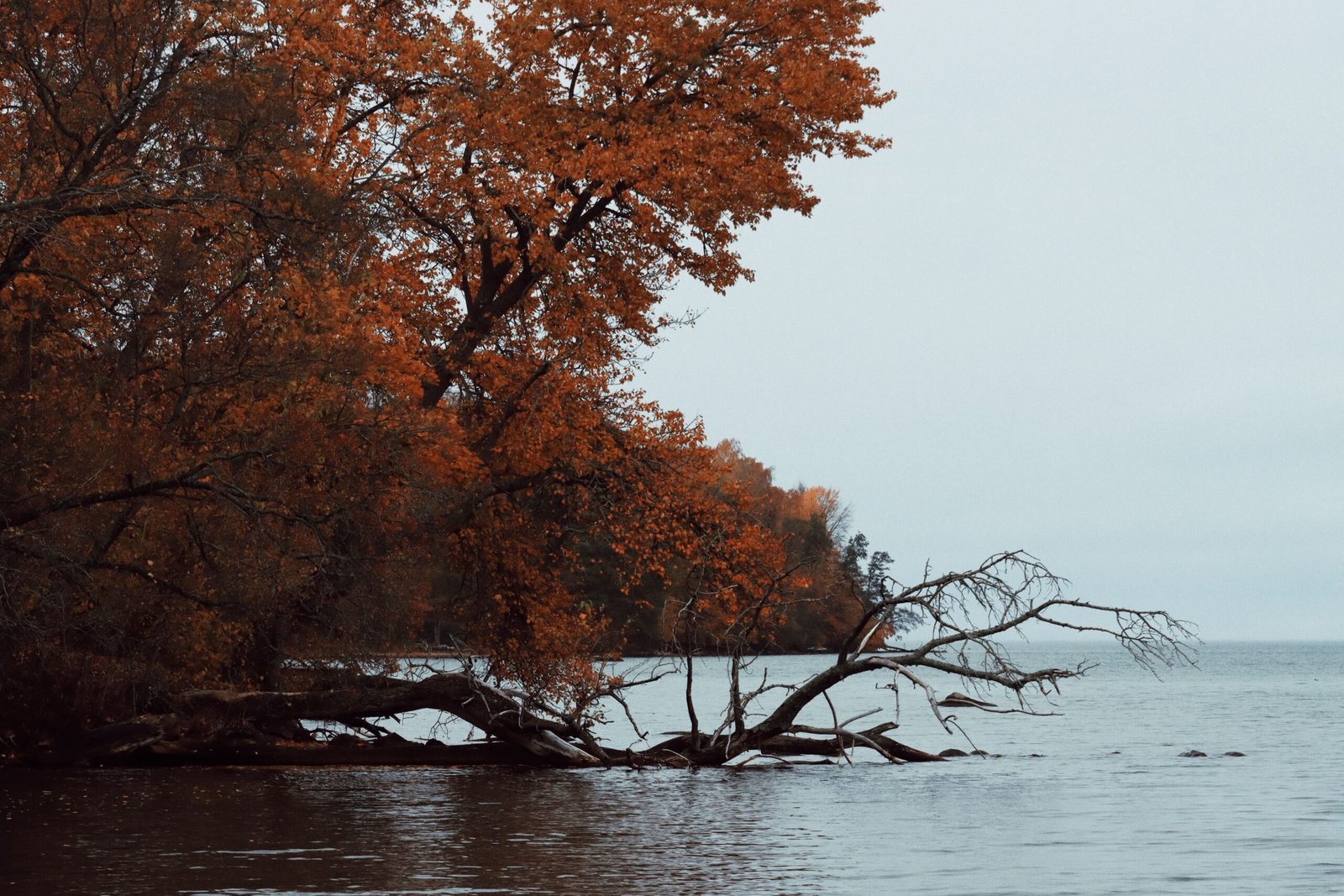
This is a game changer that most beginners don’t know about. Google Maps satellite view lets you scout fishing spots from your couch. Look for areas where a river meets a lake (fish love these confluences), docks and fallen trees along shorelines (fish hide in structure), and shallow coves that warm up quickly in spring (fish congregate there to feed and spawn).
Apps like Fishbrain, onX Maps, and Navionics are incredible tools. Fishbrain alone has over 6 million catches logged by users, complete with locations, species, and what bait was used. It’s like a cheat code. Seriously, download it.
Reading the Water
Fish aren’t randomly scattered throughout a body of water. They hang out in specific places based on temperature, oxygen levels, and food availability. Generally speaking, fish love structure — submerged logs, rock piles, weed edges, bridge pilings, and drop-offs where shallow water meets deep water. In the morning and evening, fish move into shallower water to feed. During the heat of the day, they go deep or find shade.
Wind is also a factor. When wind blows across a lake, it pushes baitfish toward the downwind shore — and predator fish follow. Fishing the windward shore on a breezy day can be surprisingly productive.
Public Access
Not every body of water is open to the public. Always check before you fish. State fish and wildlife agency websites list public fishing access points by county. Many states also have walk-in fishing access programs on private land. OnX Mapping can be a great resource to determine public access for fishing.
Best States for Beginner Freshwater Fishing
If you’re willing to travel a bit, some states are just loaded with great beginner fishing. Minnesota (Land of 10,000 Lakes — literally), Michigan, Wisconsin, Florida, Texas, and Pennsylvania all have incredible freshwater fishing with tons of accessible public water. But honestly, every state has something to offer. You might be surprised what’s right in your backyard.
Understanding Freshwater Fish Species for Beginners
You don’t need to become a marine biologist to catch fish. But knowing a little bit about the most common freshwater species — what they eat, where they hang out, and when they’re most active — will absolutely help you catch more of them.
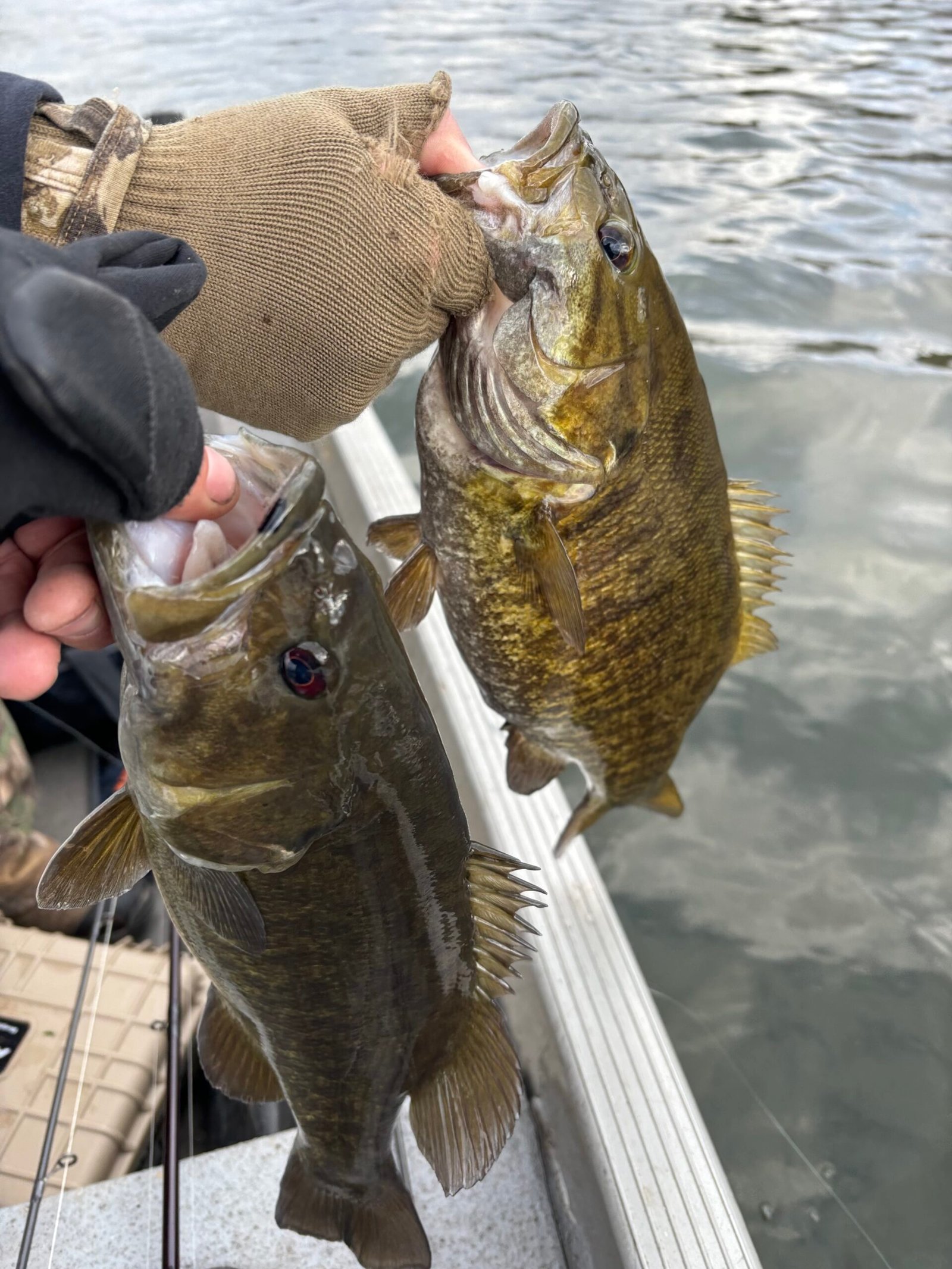
Largemouth Bass/Smallmouth Bass
The largemouth bass is basically the celebrity of freshwater fishing in America. They’re aggressive, fun to catch, and found in almost every state. Bass love structure — they hide near weeds, fallen trees, docks, and rocky points and ambush their prey. They’re most active in the early morning and evening during spring and fall. Water temperatures between 60–75°F are their sweet spot. The smallmouth bass is known to be one of the hardest fighting fish pound for pound. They are truly a blast to catch.
Bass are what got me obsessed with fishing. That explosive strike when a bass hits a topwater lure at dawn? There’s nothing quite like it. Nothing.
Trout
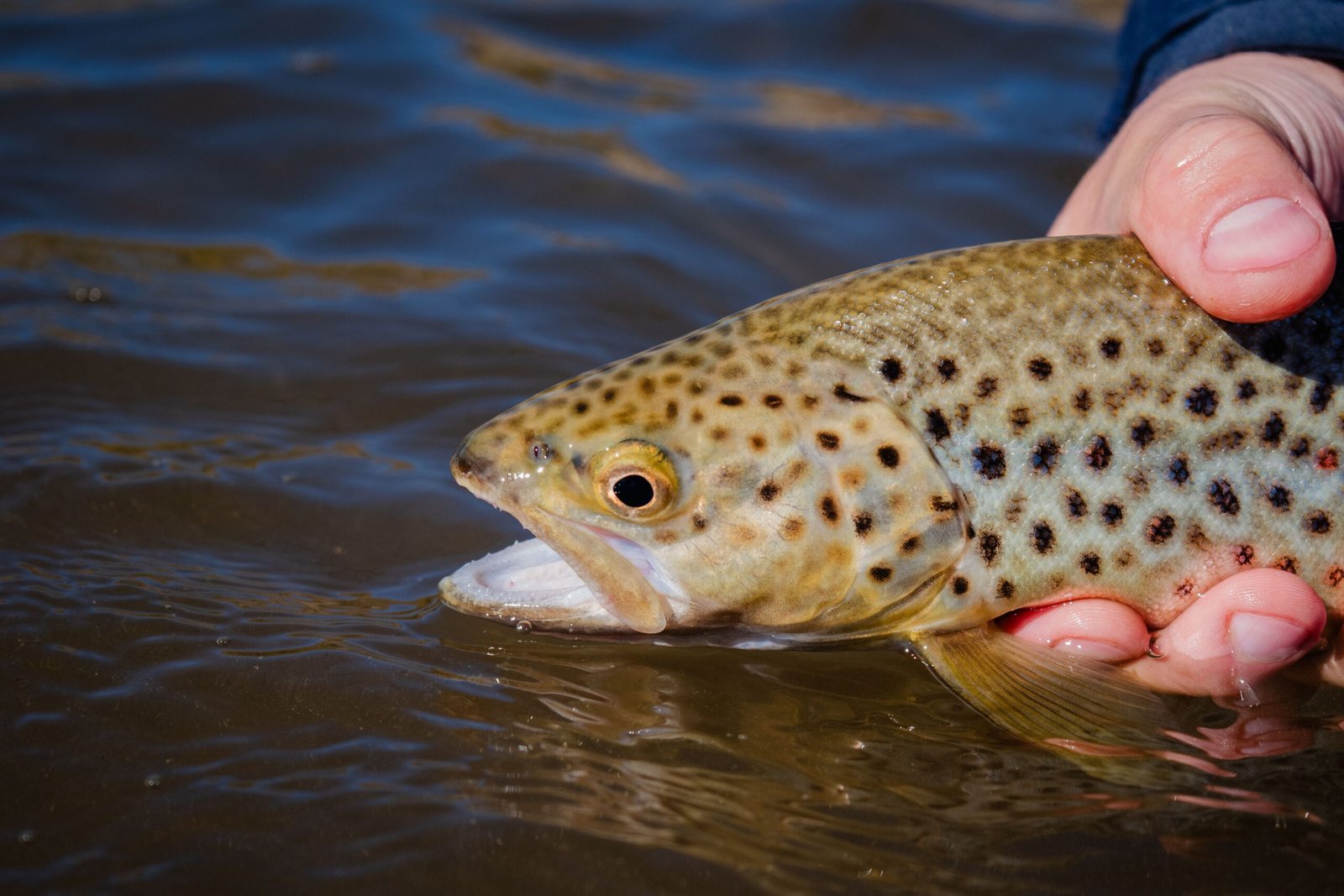
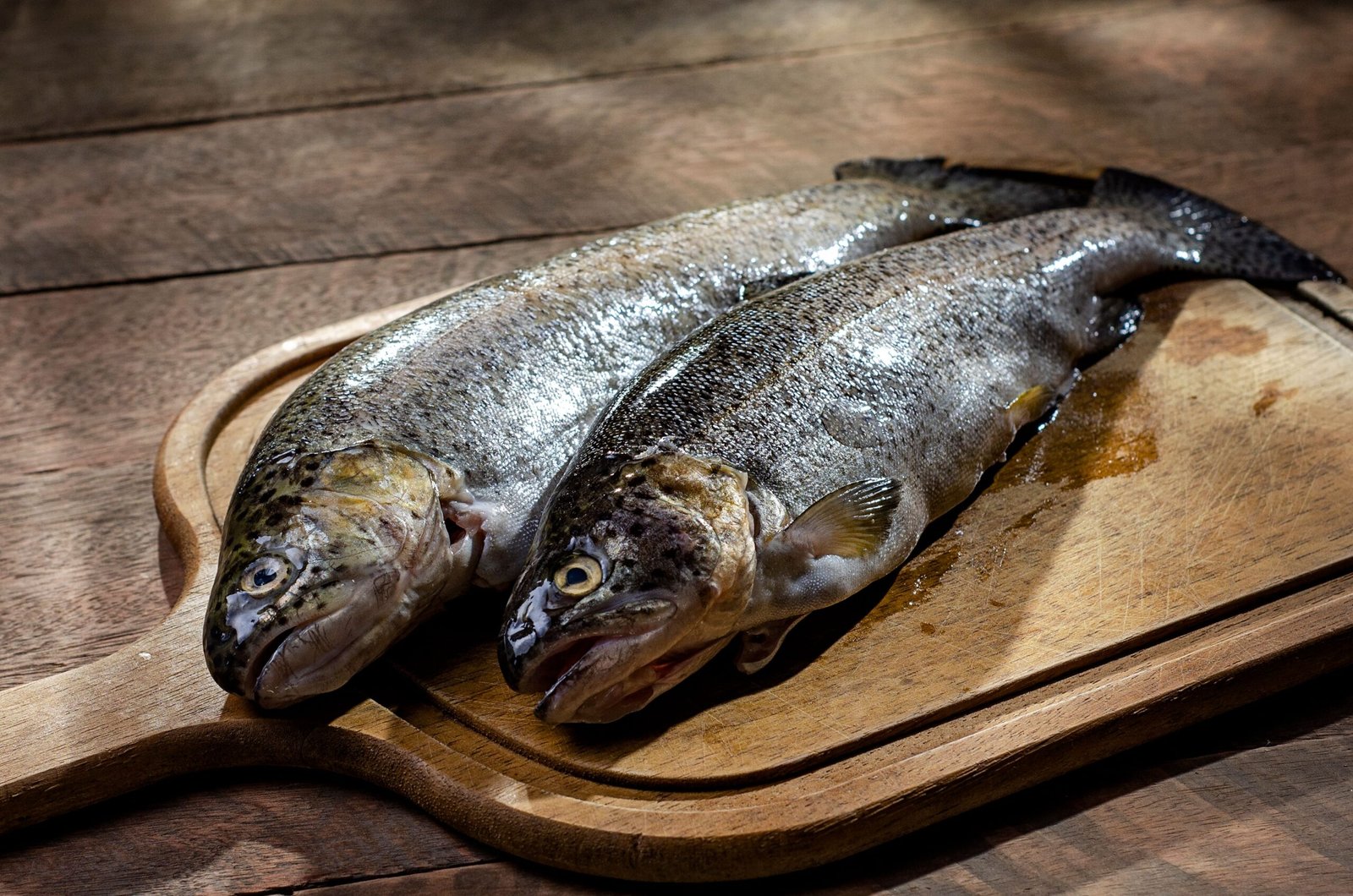
Trout (rainbow, brown, and brook) are the kings of cold, clear creeks and mountain streams. They’re a little trickier to catch than bass because they’re more sensitive to water temperature and clarity. Trout thrive in water below 65°F, which is why you find them in northern states and high-altitude streams. Many creeks and rivers are stocked with rainbow trout in spring, making them very accessible for beginners at that time of year. They are especially good table fare – check out our Cedar Plank Trout recipe!
Catfish
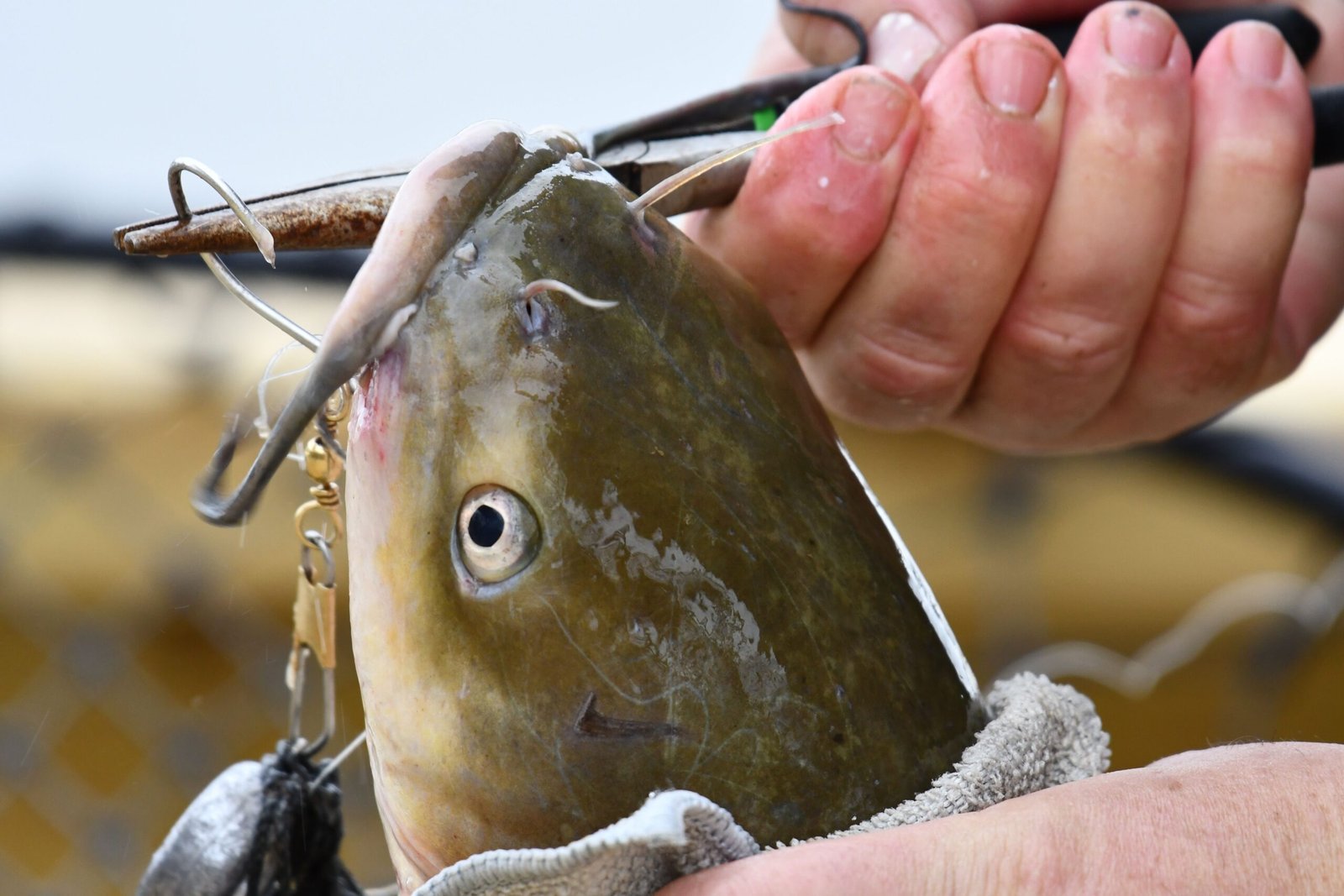
Channel catfish are one of the most beginner-friendly species out there. They’re found in lakes, rivers, and ponds across the entire country. They bite at night as well as during the day, they’re not picky eaters (they’ll hit cut bait, chicken liver, hot dogs — yes, really), and they get big. Catching a 10-pound catfish on your first few trips is not unrealistic.
Bluegill and Panfish
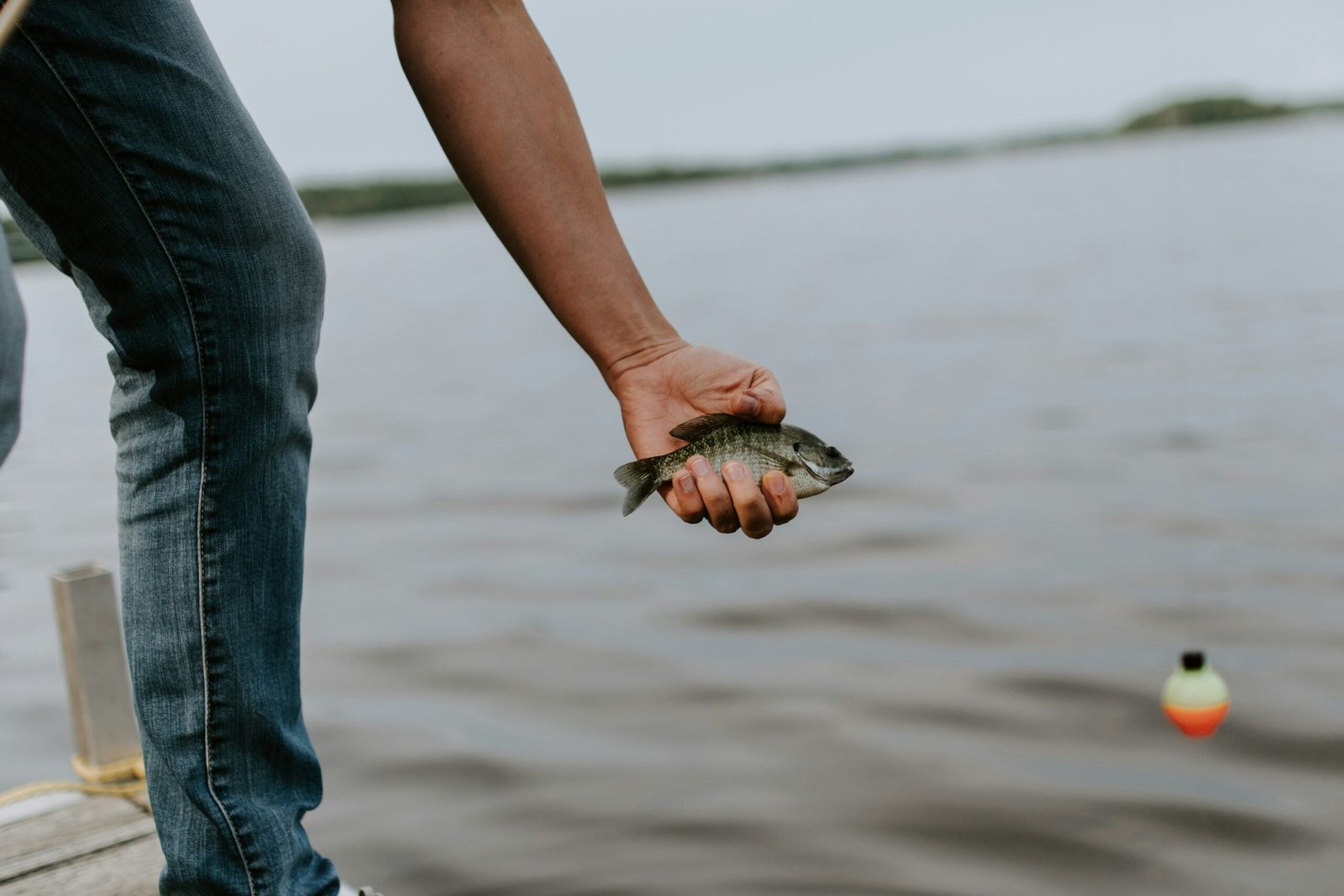
Bluegill are small, aggressive, and absolutely perfect for beginners and kids. They’ll hit a worm on a hook faster than almost any other species. They travel in schools, so when you find one, you’ll usually find dozens. Same goes for crappie, perch, and other panfish. Don’t sleep on these little guys — they’re a ton of fun and taste great.
Seasonal Patterns
Spring is generally the best time for beginners to fish. Fish are coming out of winter, metabolism is ramping up, and many species are spawning — which makes them more aggressive and easier to locate in shallow water. Summer can be tough during the heat of the day but great early and late. Fall is underrated — fish are feeding heavily before winter. Winter fishing is slower but not impossible, especially for trout and catfish.
How to Get Your Fishing License (And Why You Need One)
I’m going to be straight with you: fishing without a license is not worth the risk. Game wardens do check, the fines are real, and it’s just not a good look. Plus, your license fees directly fund fish stocking programs, habitat conservation, and public fishing access — so it’s money well spent.
Do You Need a License?
In virtually every US state, anyone 16 and older needs a valid fishing license to fish in public waters. Some states set the age at 17 or 18, but 16 is the most common cutoff. Kids under that age typically fish for free alongside a licensed adult.
How to Get One
Getting a fishing license is easier than ever in 2026. You can buy one online through your state’s fish and wildlife agency website in about 5 minutes. You can also get them at Walmart, Bass Pro Shops, Dick’s Sporting Goods, and many local bait shops or hardware stores. In most states, you can show a digital license on your phone — no need to print anything.
Just Google “[your state] fishing license” and you’ll be taken right to the official state agency page. It’s that simple.
How Much Does It Cost?
Prices vary by state, but here’s a general ballpark:
- Annual resident fishing license: $15–$50
- 1-day or short-term license: $5–$20
- Non-resident license: $30–$100+
Free Fishing Days
Most states designate 1–2 weekends per year as “Free Fishing Days” when anyone can fish without a license. These are great opportunities to try fishing before committing to a license purchase. Check your state wildlife agency’s website for scheduled dates.
Regulations to Know
Along with your license, you need to know the basic rules: catch limits (how many fish of a given species you can keep per day), size limits (minimum length a fish must be to keep), and any seasonal closures. These regulations exist to protect fish populations. Violating them can result in fines of hundreds or even thousands of dollars. The regulations are listed on your state agency’s website and often printed on a small card or book that comes with your license.
Basic Freshwater Fishing Techniques Every Beginner Should Know
Okay, this is where the real fun starts. Knowing how to actually fish — not just sit there with a line in the water — is what separates people who catch fish from people who just kill time. Let me walk you through the most beginner-friendly techniques.
Still Fishing (Bobber Fishing)
This is the classic. Bait on a hook, bobber on the line, cast it out, and wait. I can almost guarantee that nearly every avid fisherman today started their fishing journey catching panfish on a bobber and worm. When the bobber goes under, you’ve got a bite. It sounds simple because it is simple — and it works incredibly well for panfish and bass. The key variables are depth (adjust your bobber to put the bait at the right level in the water column) and location (cast near structure, not just into open water).
Bottom Fishing
Instead of a bobber, you use a sinker to take your bait straight to the bottom. This is the go-to technique for catfish which usually feed on the bottom. Use a heavier sinker in current so your bait stays put. This method is extremely easy and very effective but can be frustrating in rocky areas.
Casting and Retrieving Lures
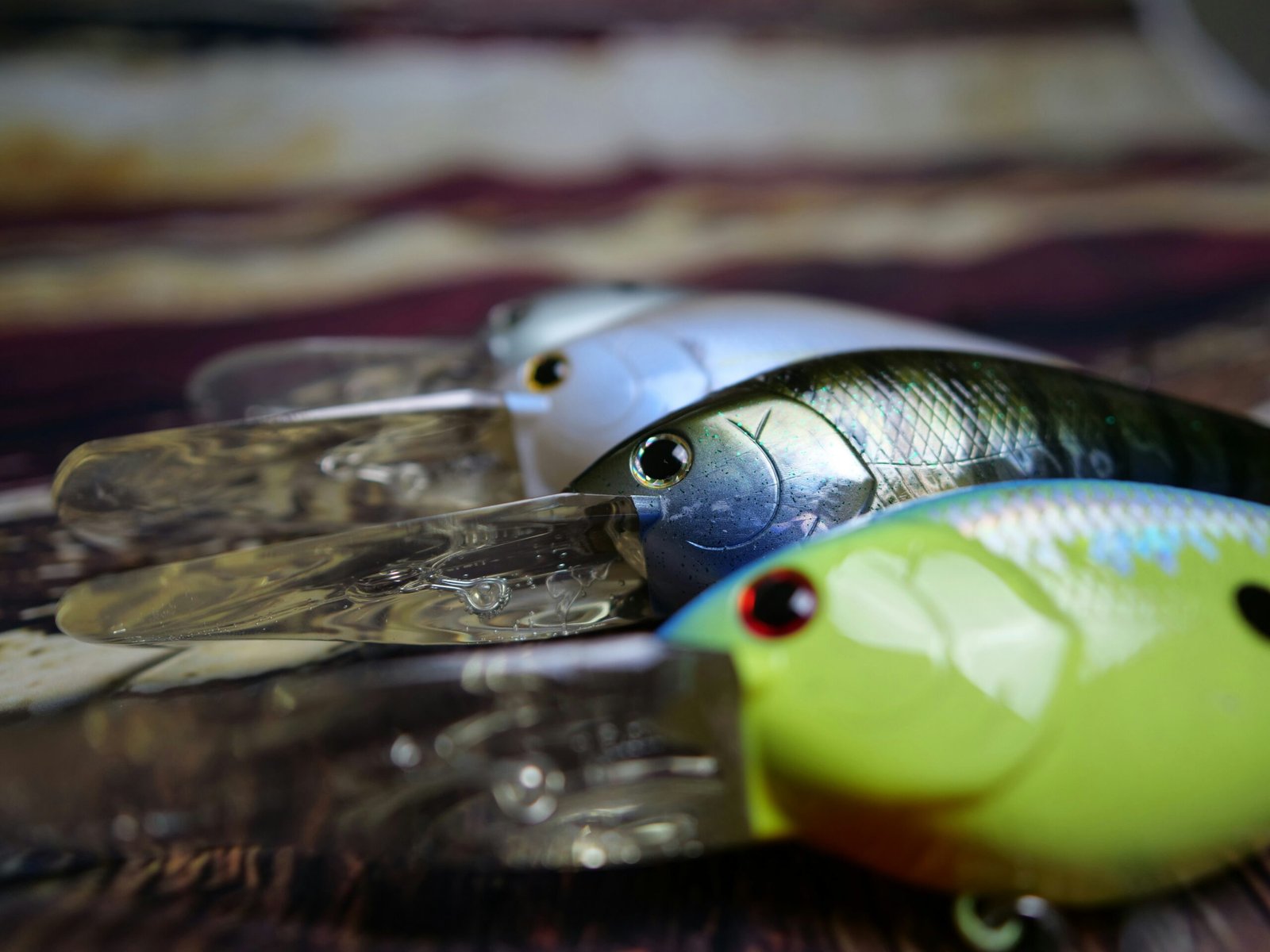
Once you’re comfortable casting, start experimenting with artificial lures. The basic retrieve is simple: cast out, let the lure sink a second or two, then reel it back in at a steady pace. Vary your speed and add occasional pauses or twitches to make the lure look like real. Spinners are the easiest lures to start with because they work on a simple straight retrieve.
Jigging
Jigging involves bouncing a weighted lure (called a jig) up and down in the water column. It’s a slightly more advanced technique but incredibly effective for bass, crappie, and walleye. The basic motion is: cast, let it sink, lift your rod tip up, let it fall, repeat. Fish often hit on the fall, so pay close attention.
Setting the Hook
This is something beginners mess up constantly — I know I did. When you feel a bite or see your bobber go under, you need to “set the hook” by giving your rod a quick, firm upward snap. This drives the hook point into the fish’s mouth. Don’t yank with all your might — a smooth, firm snap is all you need. After that, keep your rod tip up and start reeling steadily. Don’t give the fish slack line or it can shake the hook loose.
Fighting and Landing the Fish
Keep your rod tip up and your line tight to maintain pressure on the fish. Reel when the fish isn’t running, and let it run when it wants to — fighting it too hard on light line will break you off. Once the fish is close, grab it by the lower lip (for bass) or scoop it with a net. Congratulations — you just caught your first fish!
How to Bait Your Hook: Live Bait vs. Artificial Lures
One of the most common questions beginners ask is: “Should I use live bait or lures?” My honest answer is: start with live bait, then add lures as you get more comfortable. Live bait catches fish. Period. Fish have been eating real food their whole lives, and a natural presentation is hard to beat.
Best Live Baits for Freshwater Fishing
Nightcrawlers (earthworms) are the undisputed king of beginner live bait. They catch virtually every freshwater species, they’re available everywhere, they’re cheap (about $3–$4 for a dozen), and fish absolutely cannot resist them. Hook your worm by threading it onto the hook in two or three places so it stays on — don’t just hook it through the tip or it’ll fly off on the cast.
Minnows are the go-to for bass, pike, walleye, and crappie. Hook them through the back (just under the dorsal fin) to keep them alive and swimming naturally. Crickets are fantastic for bluegill and sunfish — easy to find at bait shops and very effective.
Chicken liver is the secret weapon for catfish. It smells terrible (to humans), but catfish go absolutely crazy for it. Use mesh bait bags to keep it on the hook.
Introduction to Artificial Lures
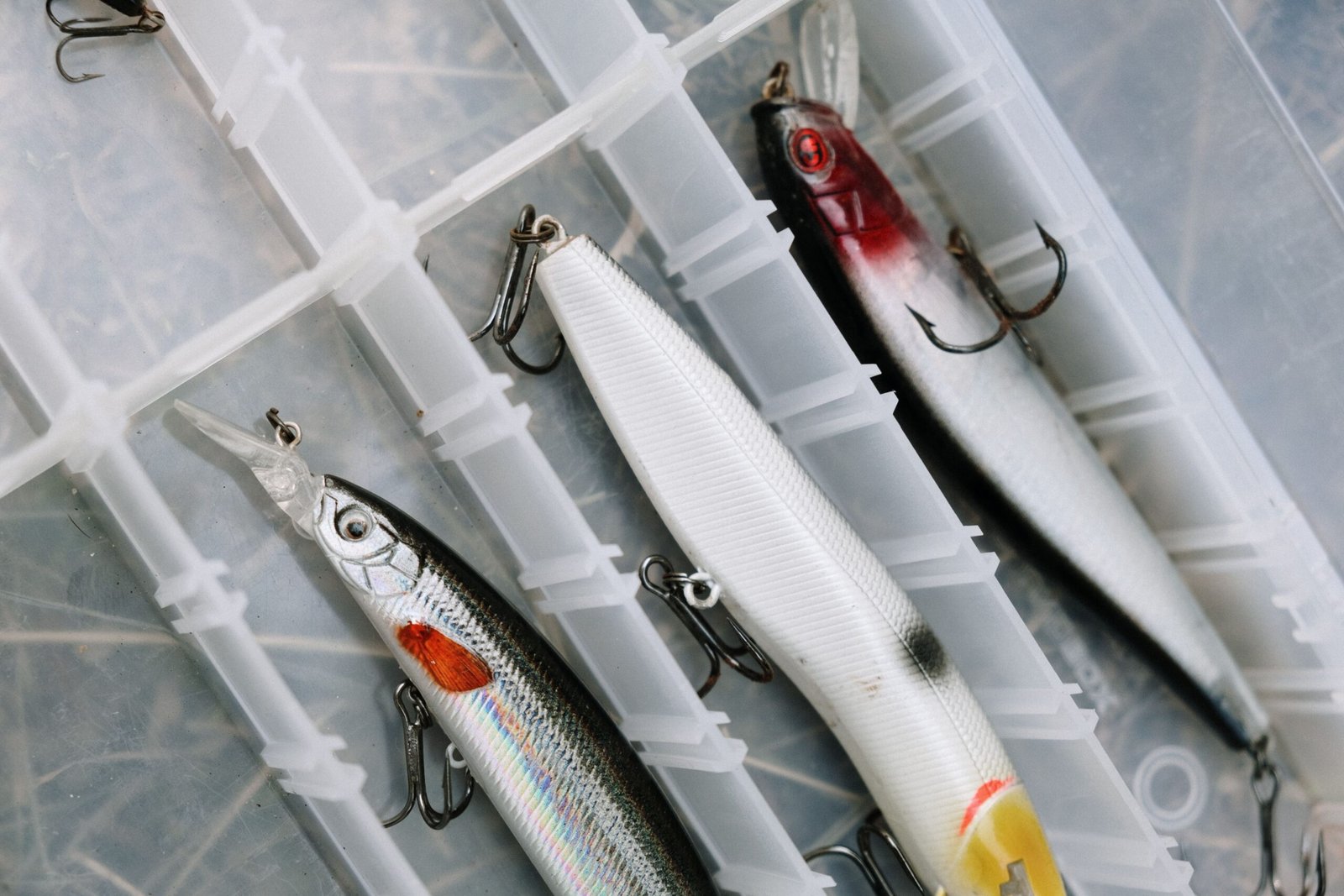
Lures are exciting because you’re actively working them — it feels more like you’re hunting than waiting. For beginners, I recommend starting with three types:
Inline spinners (like a Mepps or Rooster Tail) are nearly foolproof. Cast them out and reel them in steadily — the spinning blade creates flash and vibration that attracts fish. They work for bass, trout, and pike. Soft plastic worms are incredibly versatile and deadly for bass. Rig them on a small jig head or weedless hook and drag them along the bottom. Spinnerbaits are great for covering water quickly and work well in areas with weeds and structure.
When to Use What
In cold water (below 55°F), go with live bait. Fish are sluggish and less likely to chase a fast-moving lure. In warm water during active feeding periods (early morning, evening), lures can be incredibly effective and more fun to use. When fishing is slow, live bait almost always outperforms lures. When fish are actively feeding, lures can be just as good.
Freshwater Fishing Tips to Help You Catch More Fish
Alright, let’s get into some of the tips that genuinely moved the needle for me. Some of these took me years to learn, so take notes.
Fish Early and Late
The single most reliable tip I can give you: be on the water at sunrise or in the last hour before sunset. Fish are cold-blooded, which means their activity level is controlled by water temperature. During midday in summer, water temperatures spike and fish go deep and get sluggish. But at dawn and dusk, temperatures are cooler and baitfish are active near the surface — which means predator fish are actively feeding. I’ve had mornings where I caught 20 fish in two hours, then nothing for the rest of the day.
Pay Attention to Weather
Fish are incredibly sensitive to barometric pressure changes. Right before a storm front moves in, fish often go into a feeding frenzy. This is one of the best times to fish. After a front passes and pressure drops, fishing usually slows down significantly. Overcast days tend to fish better than bluebird, sunny days because fish feel less exposed and venture further from cover to feed.
Be Quiet
This sounds obvious but it makes a real difference. Fish can feel vibrations through the water — heavy footsteps on a dock, a loud splash from a cast, even a loud conversation can spook fish in shallow water. Move slowly, keep noise down, and you’ll catch more fish. Simple as that.
Keep a Fishing Journal
I started doing this a few years ago and it genuinely improved my fishing. After each trip, I write down: location, time, weather conditions, water temperature, what I caught, and what I used to catch it. Over time, patterns emerge. You’ll start to notice that bass in your local pond always bite a chartreuse spinnerbait on cloudy mornings in May, or that catfish at your favorite river spot go nuts after heavy rain. That data is priceless. This will also help you track your progress as you embark on your fishing journey.
Match the Hatch
This is a fly fishing term, but it applies broadly. “Matching the hatch” means using bait or lures that look like what fish are naturally eating in that environment at that time. In spring, when bluegill are spawning, small poppers and flies work great. In summer, when grasshoppers are abundant near meadow streams, a hopper pattern is deadly for trout. Pay attention to what’s in and around the water — bugs, minnows, frogs — and try to imitate it.
Don’t Stay in One Spot Too Long
A lot of beginners plant themselves in one spot for hours hoping the fish will come to them. If you’re not getting bites within 20–30 minutes, move. Cover more water. Try different depths, different structures, different areas of the lake or river. The most successful anglers I know are constantly moving and experimenting.
Catch and Release Best Practices for Beginners
Not every fish you catch needs to end up on your plate. Catch and release is a practice where you carefully return the fish to the water after catching it. It’s an important conservation tool, and honestly, it’s something I’ve come to really appreciate over the years. Anymore, 98% of what I catch, I also release.
Why It Matters
Fish populations are not infinite. Overfishing — even in recreational contexts — can deplete local fish populations over time. Catch and release helps maintain healthy fish populations so future anglers (including your kids someday) can enjoy the same fisheries you do. Many trophy bass fisheries exist today specifically because anglers practice catch and release for big fish.
How to Handle Fish Properly
Wet your hands before touching a fish. Dry hands remove the protective slime coat that shields fish from bacteria and parasites. Keep the fish in the water as much as possible — it can only hold its breath about as long as you can. Support the fish horizontally with two hands; don’t dangle it vertically by the lower lip for extended periods, especially large fish, as this can damage their spine.
Removing Hooks
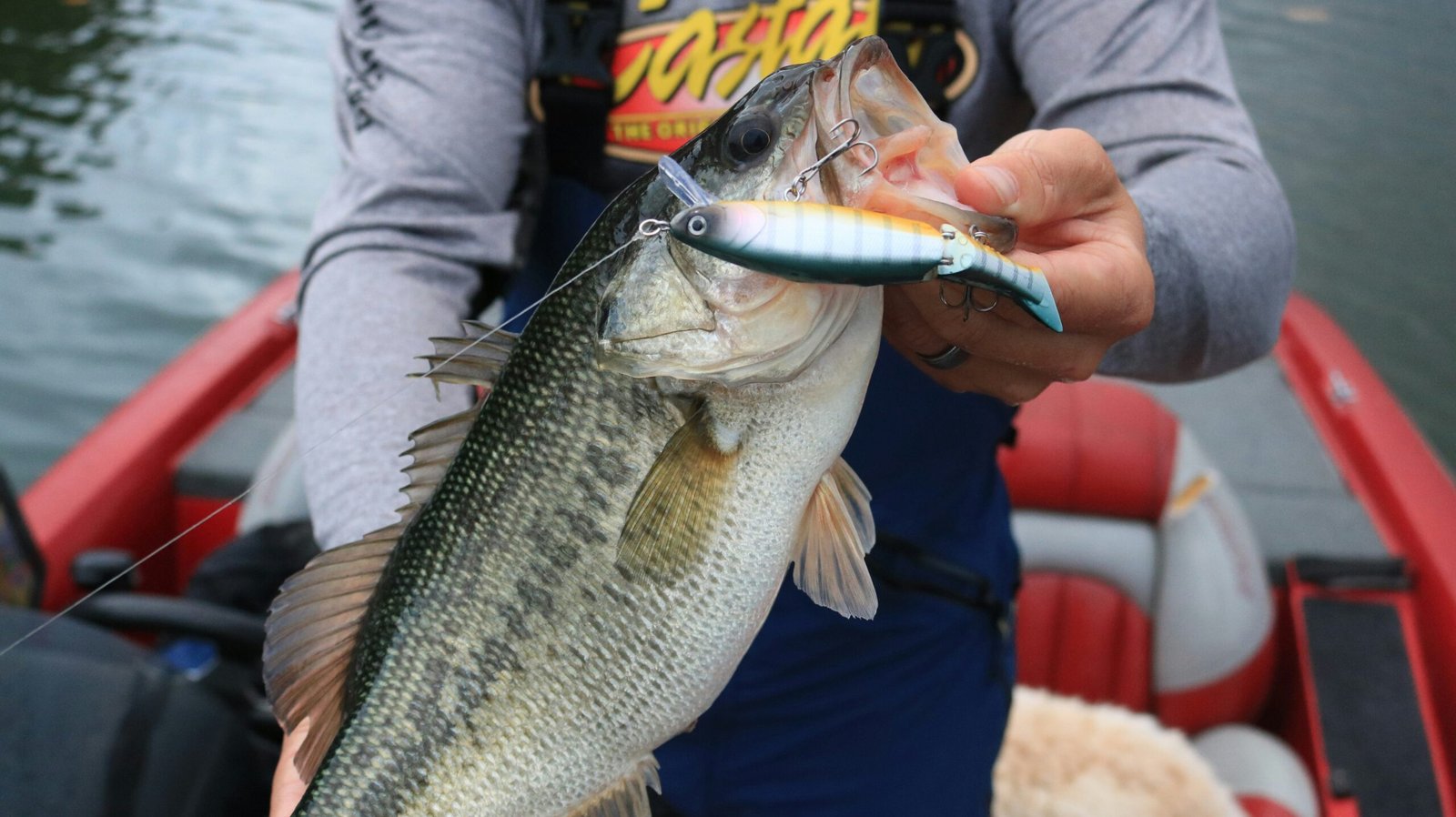
Use needle-nose pliers or a hook remover tool. If the hook is swallowed deep, it’s often better to cut the line as close to the hook as possible and release the fish — the hook will eventually rust out and the fish has a much better survival chance than if you dig around trying to remove it. Barbless hooks make removal much easier and faster — many catch and release anglers crimp their barbs flat.
Reviving a Fish Before Release
If a fish seems tired or lethargic after the fight, don’t just toss it back. Hold it gently in the water, facing into the current if there is one, and support its body until it kicks and swims away on its own. This allows oxygen to flow through its gills and gives it time to recover. Rushing this step leads to fish floating belly-up a few minutes after you release them — which defeats the whole purpose.
When to Keep Fish
There’s nothing wrong with keeping fish for food — it’s one of the great joys of fishing and completely sustainable when done within legal limits. Keeping smaller, more common species like bluegill, crappie, and perch is generally fine. If removing the hook isn’t going well and you have questions about the fish surviving, you could also keep it in that scenario. Consider releasing larger, older fish — especially bass and trout — as they’re the prime spawners that produce future generations.
What to Do After Your First Catch — Keeping and Cooking Fish
If you decide to keep your catch, you need to handle it properly from the moment you land it. Nothing ruins freshly caught fish faster than poor handling.
Keeping Fish Fresh
The moment you decide to keep a fish, put it on ice or in a cooler with ice water. Fish spoil quickly in warm temperatures. A live well on a boat keeps fish alive until you’re ready to clean them — if you’re bank fishing, bring a small cooler with ice. Don’t leave fish on a stringer in warm water for hours — they’ll die stressed and the meat quality suffers.
Cleaning and Filleting
Filleting a fish sounds intimidating but it’s really not that hard once you’ve done it a few times. Here’s the basic process for a trout or similar fish:
Lay the fish on its side on a clean cutting board. Make a cut behind the pectoral fin down to the backbone. Turn your knife flat and run it along the backbone toward the tail, using long smooth strokes. Flip the fillet over and run your knife between the skin and the meat to remove the skin. Remove any remaining rib bones. Rinse the fillet in cold water. That’s it. YouTube has hundreds of great video tutorials if you’re a visual learner — I watched probably 10 videos before my first attempt and it went smoothly.
Simple Beginner Recipes
Pan-fried bluegill is one of the greatest things you’ll ever eat. Season fillets with salt, pepper, and garlic powder. Dredge in cornmeal or flour. Fry in butter or oil over medium-high heat for 2–3 minutes per side until golden brown. Squeeze lemon on top. It’s simple, fast, and delicious.
For trout, cedar plank trout is fantastic and healthy. Season fillets with olive oil, lemon juice, garlic, and fresh herbs. Grill until internal temperature hits 145°F. Serve with vegetables or rice. Catfish is incredible fried in cornmeal batter — it’s a Southern staple for good reason.
Food Safety
Keep fish cold from the moment you catch them to the moment you cook them. Cook fish to an internal temperature of 145°F. Don’t eat fish from waters that have posted consumption advisories (check your state agency’s website for local advisories, especially for species like large bass, pike, and carp from certain waters). Fresh fish should be cooked within 1–2 days or frozen for longer storage.
Conclusion
If there’s one thing I want you to take away from this guide, it’s this: fishing is not complicated. You don’t need fancy gear, you don’t need years of experience, and you don’t need to know everything before you get started. The most important step is simply getting out there.
Start simple. Get a basic rod and reel combo, pick up a pack of worms and some hooks, find a local pond or stocked lake, and go. Your first trip might be messy and frustrating — mine certainly was. But it might also be the beginning of a lifelong passion that takes you to incredible places and creates memories you’ll never forget.
Fishing teaches patience. It teaches observation. It connects you to the natural world in a way that’s hard to find anywhere else. And when you finally land that first fish — even if it’s a tiny little bluegill the size of your hand — that feeling of accomplishment is completely real.
Take this guide with you, bookmark it for reference, and don’t be afraid to make mistakes. Every experienced angler you’ve ever admired was once exactly where you are right now. The water is waiting. Tight lines, my friend — now get out there and catch something!
Have questions or want to share your first catch story? Drop it in the comments below — I’d love to hear about it!