Best Cast Iron Skillets for Wild Game Cooking — Every Budget Covered
This post contains affiliate links. If you purchase through these links, I may earn a small commission at no extra cost to you.
Introduction
If there’s one piece of equipment that shows up in every field to table kitchen worth its salt it’s a cast iron skillet. Not because it’s trendy. Not because it photographs well on a wood cutting board. Because it’s genuinely the best tool for cooking wild game — and it has been for over a century.
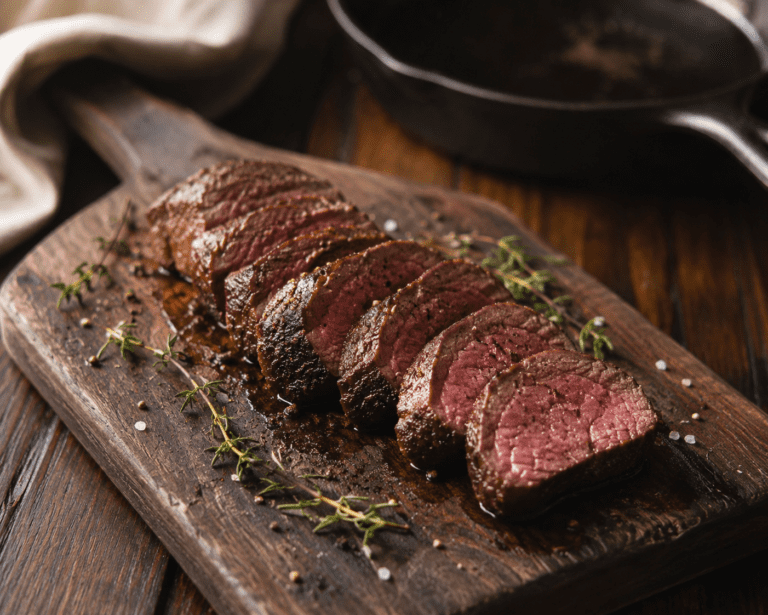
Cast iron cooking and wild game are made for each other. Venison backstrap needs screaming hot direct heat to sear without steaming — cast iron gets there and stays there in a way stainless steel and non-stick pans never quite manage. Be sure to check out our Venison Backstrap – Cast Iron Method if you haven’t already! Fresh fish needs a surface that handles moisture without sticking — a well-seasoned cast iron handles this beautifully. Waterfowl needs sustained high heat that the oven can finish — cast iron goes from stovetop to oven without a second thought.
According to the American Iron and Steel Institute cast iron cookware sales have grown over 200% in the last decade as more home cooks discover what hunters and outdoor cooks have known for generations — nothing else does what cast iron does. And for wild game specifically that advantage is more pronounced than in any other cooking application.
This guide covers the best cast iron skillets for wild game cooking at every price point — from the budget option that outperforms its price to the heirloom quality American-made pieces worth every dollar.
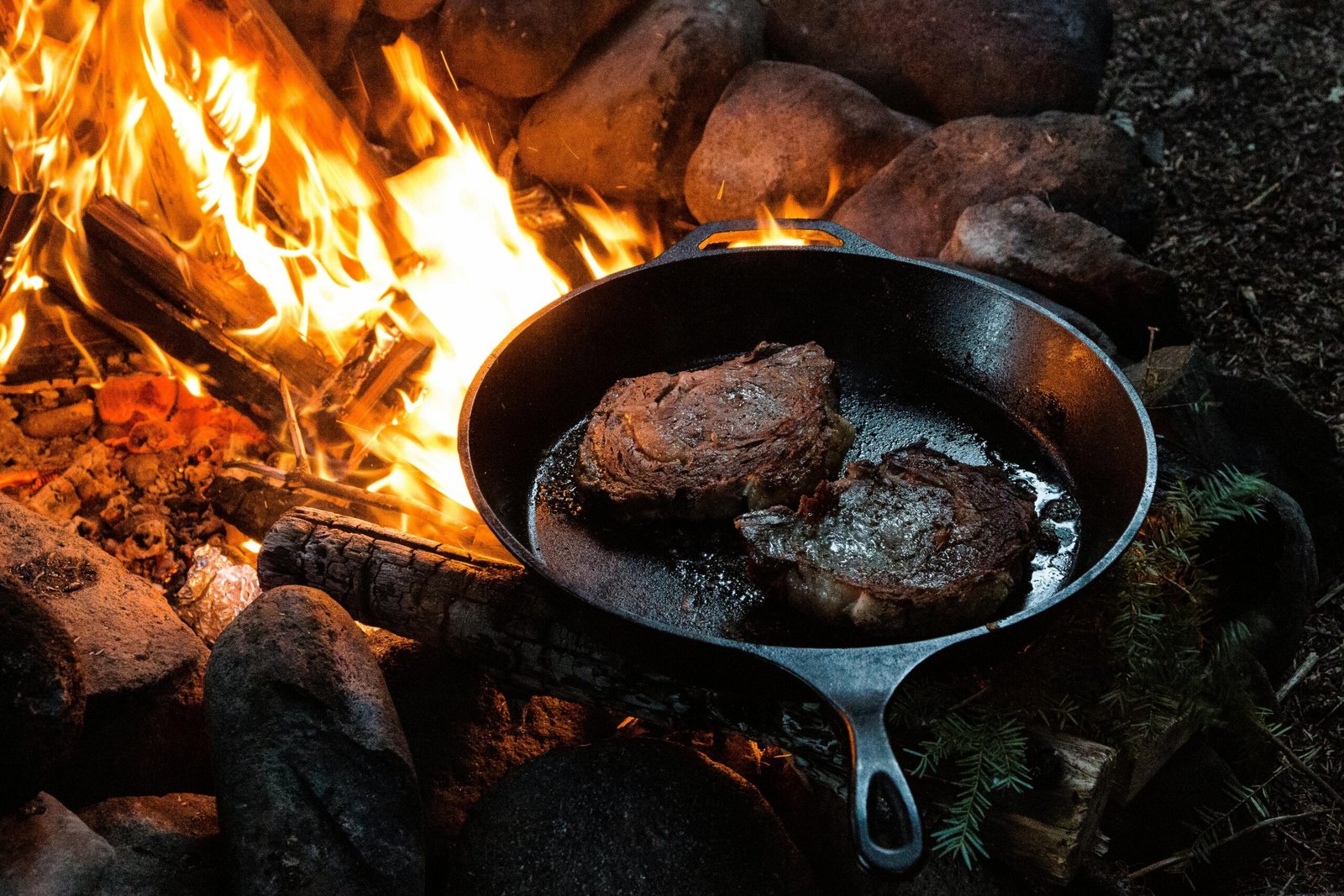
Table of Contents
Why Cast Iron Is the Best Pan for Wild Game
Before getting into the specifics, let me explain exactly why cast iron outperforms everything else for wild game cooking — because understanding the why makes you a better cook with whatever pan you choose.
Heat retention is the key to wild game. Wild game is lean. Dramatically leaner than domestic meat. When you put a cold venison backstrap into a hot pan that isn’t cast iron the pan temperature drops immediately — sometimes by 50 degrees or more — and instead of searing the meat you end up steaming it. Cast iron holds heat through the thermal shock of cold protein hitting a hot surface. The result is a proper sear that forms a crust quickly without letting moisture escape. That crust is the difference between a mediocre wild game meal and an exceptional one.
The seasoning layer protects lean wild game. A well-seasoned cast iron surface is naturally non-stick in a way that actually works with the lean profile of wild game. Venison doesn’t have the fat content to self-baste and prevent sticking on other surfaces. The polymerized oil layers that build up on a properly seasoned cast iron skillet create a release surface that doesn’t require added fat to prevent sticking — which means you can cook lean wild game without masking its flavor with excessive oil.
Cast iron goes everywhere wild game gets cooked. Stovetop to oven — no handles to melt, no coatings to be careful about. Camp stove to campfire grate — cast iron handles open flame without damage. Backpacking base camp to hunting cabin kitchen — the same pan works in every environment you might find yourself cooking wild game. Nothing else is that versatile.
It lasts forever. A good cast iron skillet doesn’t wear out. It improves with use. Every time you cook a venison backstrap or fry a fresh caught trout the seasoning layer builds slightly and the pan performs better the next time. I have my grandfather’s cast iron. It cooks better now than when he bought it.
What to Look for in a Cast Iron Skillet for Wild Game
Not all cast iron is created equal. Here’s what matters most when choosing a cast iron skillet specifically for wild game cooking:
Weight and thickness. Thicker cast iron holds heat more evenly and more consistently — which matters when cooking lean wild game that punishes uneven heat distribution. Budget cast iron from overseas is often thinner than American-made alternatives. The difference in heat consistency is real and noticeable in results.
Seasoning quality out of the box. Pre-seasoned cast iron varies enormously in quality. Some arrive with a smooth, well-built seasoning layer. Others arrive with a rough almost sticky factory coating that needs multiple cooking cycles to perform well. The best cast iron arrives ready to cook — or better yet arrives with a raw surface and instructions for building your own seasoning from scratch.
Surface texture. Modern American cast iron — particularly from Lodge — has a slightly rougher surface texture than vintage cast iron or premium brands like Smithey or Field Company. The rough texture is not a performance problem but it does affect the non-stick properties somewhat until the pan is well-seasoned. Smoother surfaces build seasoning more quickly and create better non-stick performance from the start.
Handle design. You’re handling a hot, heavy pan with hunting gloves or oven mitts — sometimes with wet hands at camp. The handle needs to be long enough to keep your hand away from the heat, wide enough to grip securely, and angled correctly so the pan balances without tipping when you’re moving it from fire to table.
Size. A 10-inch skillet handles a venison backstrap or two fish fillets at once. A 12-inch is the most versatile size — two backstrap medallions side by side, a large bass fillet, a full bird breast. A 15-inch or larger is for big batches at hunting camp. Most hunters need a 10-inch and a 12-inch — that combination covers virtually every wild game cooking scenario.
The Budget Pick — Under $30
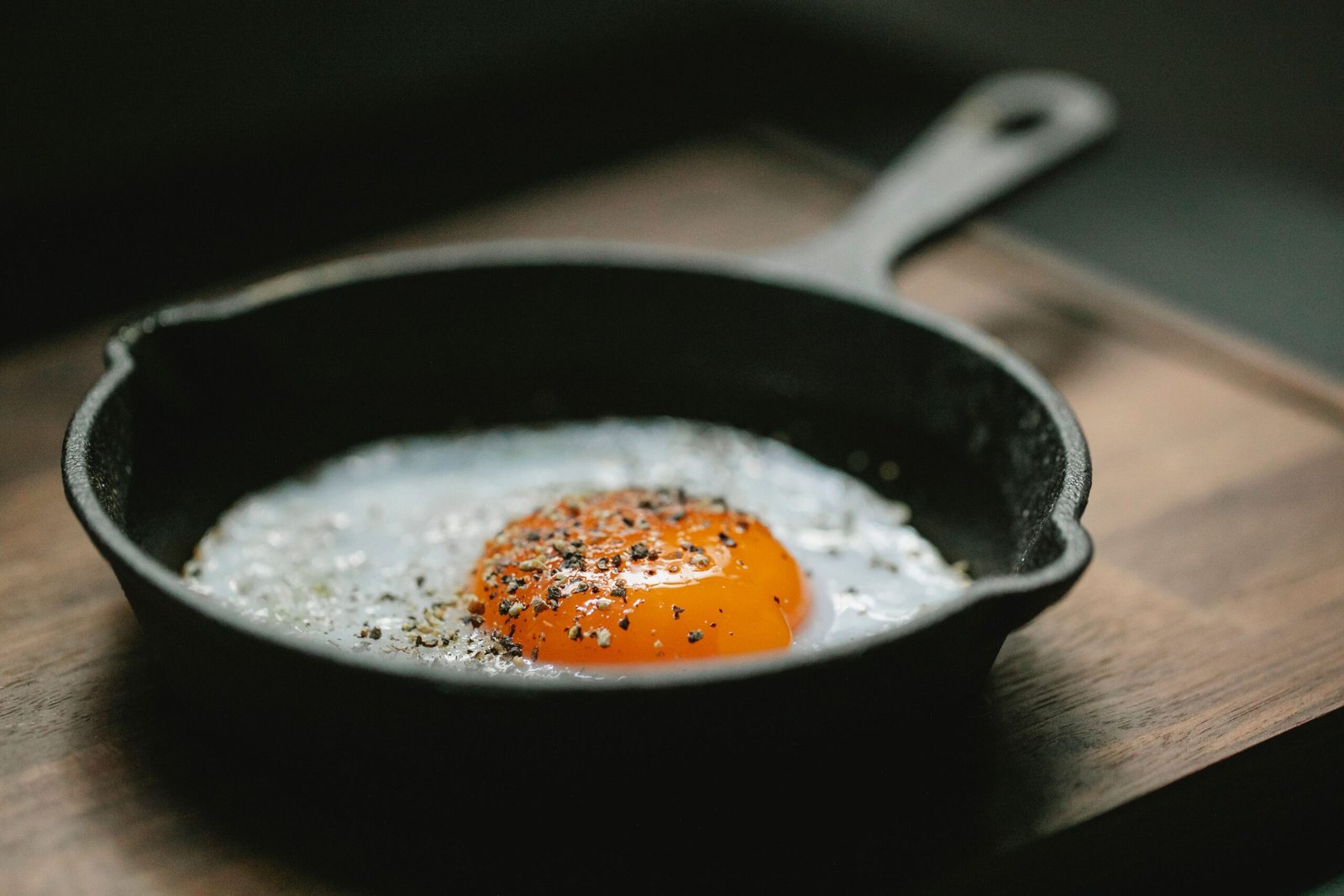
Lodge L8SK3 10.25 Inch Cast Iron Skillet
Lodge is the standard against which every other cast iron skillet is measured. Made in South Pittsburg Tennessee since 1896 Lodge is the most widely used cast iron in American kitchens and hunting camps for a simple reason — it works and it costs almost nothing.
What it does well:
The Lodge 10.25-inch skillet is pre-seasoned with vegetable oil and arrives ready to cook. Not perfect out of the box — the factory seasoning needs a few cooking sessions to build properly — but functional from day one and genuinely excellent after half a dozen uses. The heat retention is everything you want for searing venison. Get the pan screaming hot over medium-high heat for 3–4 full minutes, add your backstrap, and you’ll hear the sear you’re supposed to hear.
The two-pour-spout design lets you drain fat from the pan without lifting it off the heat entirely — a small but useful detail when you’re cooking fatty waterfowl or when you’ve added butter for basting and want to control the fat level. The helper handle on the opposite side of the main handle makes moving a full, hot pan significantly safer — especially relevant when you’re handling it at camp or moving it from stovetop to oven.
At this price point the Lodge is genuinely unbeatable. Professional chefs cook on Lodge. Serious hunters cook on Lodge. The difference between a $30 Lodge and a $200 Smithey in terms of actual cooking results is real but it’s incremental — Lodge gets you 85–90% of the way there at 15% of the price.
Where it struggles:
The rough sand-cast surface texture is the main knock against Lodge from enthusiasts who prefer a smoother cooking surface. It builds up seasoning well over time but takes longer to reach peak non-stick performance than a machined or polished surface would. It’s also heavier than premium alternatives — the 10.25-inch weighs 5 pounds — which matters if you’re backpacking it to a remote camp but is irrelevant in a cabin kitchen or on a camp stove.
Best for wild game: Venison backstrap sear, pan-fried fish fillets, sautéed ground venison, duck breast, wild turkey cutlets. Basically everything.
Who it’s for: Any hunter who doesn’t already own cast iron and wants the best possible starting point at the lowest possible price. Also the answer to “what do I buy someone as a gift” at any budget level.
- Weight: 5 lbs (10.25 inch)
- Pre-seasoned: Yes — vegetable oil
- Made in: USA — South Pittsburg Tennessee
- Oven safe: Yes — up to 500°F
- Induction compatible: Yes
- Amazon: Search “Lodge L8SK3 cast iron skillet”
- Price range: $25
The Best Mid-Range Pick — Under $50
Lodge 12 Inch Cast Iron Skillet — The Most Versatile Size
If the 10.25-inch is the starting point the Lodge 12-inch is the workhorse. The extra surface area makes an enormous practical difference for wild game cooking — two venison backstrap sections side by side without crowding, a large walleye or bass fillet without folding, four duck breasts in one batch rather than two.
What it does well:
Everything the 10.25 does but bigger. The 12-inch is the size most hunters actually reach for day to day because it handles the quantities that hunting cooking realistically involves. You’ve just cleaned a limit of crappie — the 12-inch handles three fillets at once. You’re cooking backstrap for four people — the 12-inch handles it in two batches instead of three or four.
The heat retention at the 12-inch size is actually marginally better than the 10.25 because of the increased mass — more iron means more heat stored means more consistent cooking temperature across the cooking surface. This matters most when you’re loading the pan with multiple cold pieces of wild game — the 12-inch maintains temperature through a heavier cold load than the smaller pan.
The Lodge 12-inch is also the optimal size for the oven finish technique that many wild game recipes use — sear on the stovetop to develop crust, finish in a 400°F oven to bring to temperature without burning the exterior. The 12-inch fits in virtually every home oven and every camp oven large enough to be useful.
Where it struggles:
Weight is the main practical limitation — the Lodge 12-inch weighs 8 pounds empty, heavier with food in it. Pouring, tilting, and moving require two hands. This is a cabin and kitchen skillet, not a backpacking pan.
Best for wild game: This is the size I reach for most often. Venison backstrap, large fish fillets, whole small birds, venison burgers, ground venison for tacos and chili, duck and goose breast — the 12-inch handles all of it.
Who it’s for: Anyone who already has a 10-inch and wants the size upgrade. Anyone buying their first cast iron who plans to cook for more than one person regularly. The 12-inch Lodge is genuinely the single best cast iron skillet for hunters at any price point.
- Size: 12 inch
- Weight: 8 lbs
- Pre-seasoned: Yes — vegetable oil
- Made in: USA — South Pittsburg Tennessee
- Oven safe: Yes — up to 500°F
- Induction compatible: Yes
- Amazon: Search “Lodge 12 inch cast iron skillet”
- Price range: $30 – $50
The Best Upper Mid-Range Pick — Under $100
Lodge Cast Iron Combo Cooker — The Versatility Upgrade
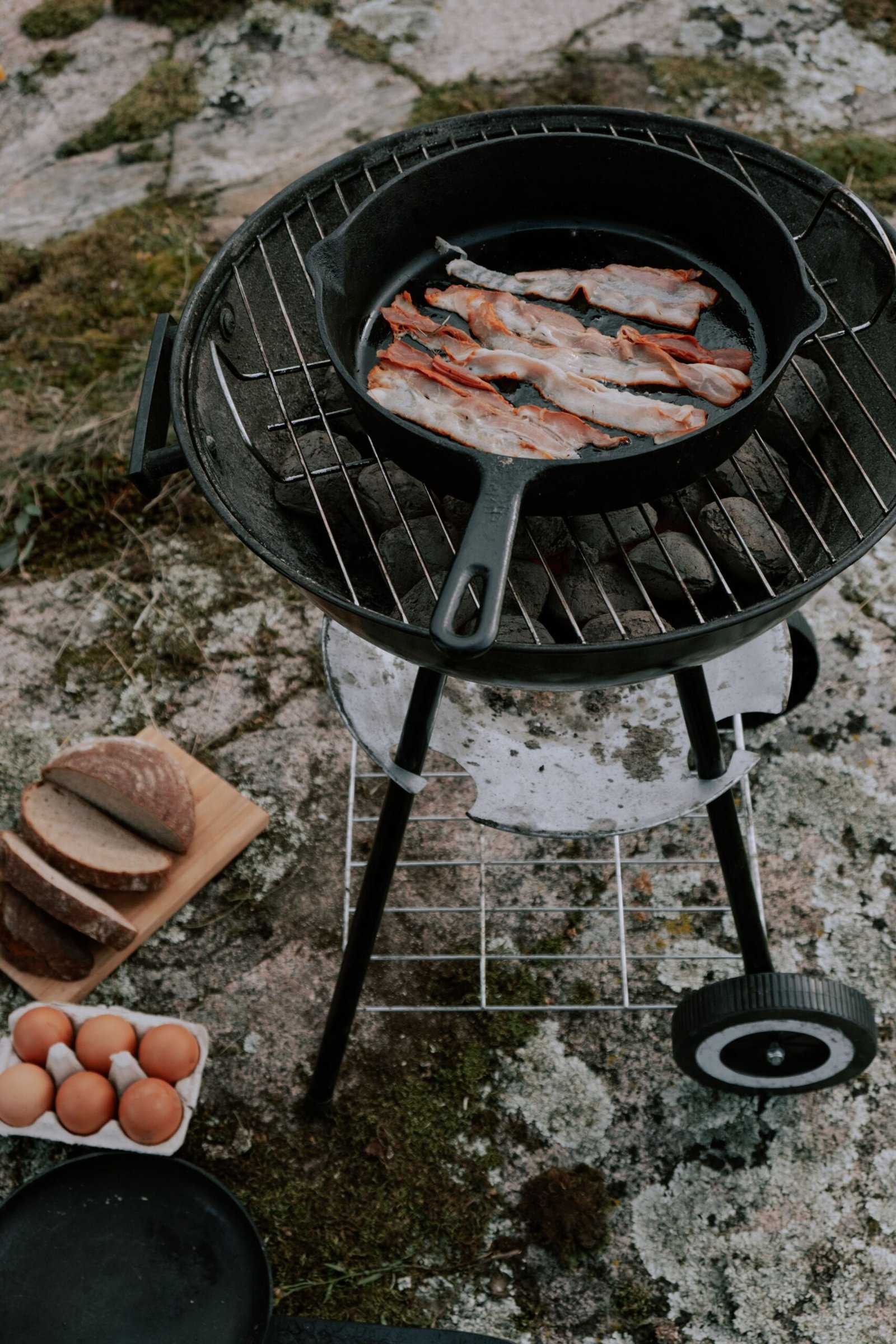
The Lodge Combo Cooker is two pieces of cast iron that function as three different tools — a deep skillet, a shallow skillet, and a Dutch oven. For wild game cooking specifically this combination covers more ground than any other single cast iron purchase.
What it does well:
The deep skillet works as a small Dutch oven for venison stew, braised wild turkey legs, and anything that needs liquid and a lid. The shallow skillet works as a standalone skillet for searing and frying. And together they create a Dutch oven configuration where the shallow skillet serves as a lid for the deep skillet — sealed tight enough to trap moisture for braising but not so tight that it pressurizes.
For hunters who do their own processing and cook a wide variety of game this is the most functionally diverse cast iron purchase available. You can sear a venison backstrap in the shallow skillet, braise short ribs in the deep skillet with the shallow as a lid, fry fish in the shallow skillet, and make a camp stew in the deep skillet on an open fire. All from one purchase.
The combo cooker is particularly excellent for wild turkey — a bird that benefits enormously from the braise-in-cast-iron technique where you sear the pieces in the shallow skillet and then nest them in the deep skillet with liquid and aromatics and braise low and slow until fork tender. Turkey cooked this way is incomparably better than turkey cooked any other way.
Where it struggles:
The combo cooker isn’t a replacement for a full-size Dutch oven if you regularly cook large batches. The deep skillet holds roughly 2 quarts — adequate for 2–3 people but limiting for hunting camp cooking that needs to feed six. It’s also a heavier and more awkward package than a standalone skillet if all you need is a searing surface.
Best for wild game: Wild turkey braise, venison short ribs, small batch camp stew, pan fried fish followed by a camp sauce in the same vessel, rabbit and squirrel braised dishes.
Who it’s for: Hunters who cook a wide variety of game and want maximum versatility from a single cast iron purchase. Particularly valuable for anyone who regularly cooks tough cuts and whole birds that benefit from braising.
- Pieces: 2 — deep skillet (3.2 qt) and shallow skillet/lid
- Weight: 12 lbs combined
- Pre-seasoned: Yes
- Made in: USA
- Oven safe: Yes — up to 500°F
- Amazon: Search “Lodge cast iron combo cooker”
- Price range: $60–$75
The Best Premium Pick — $150 to $225
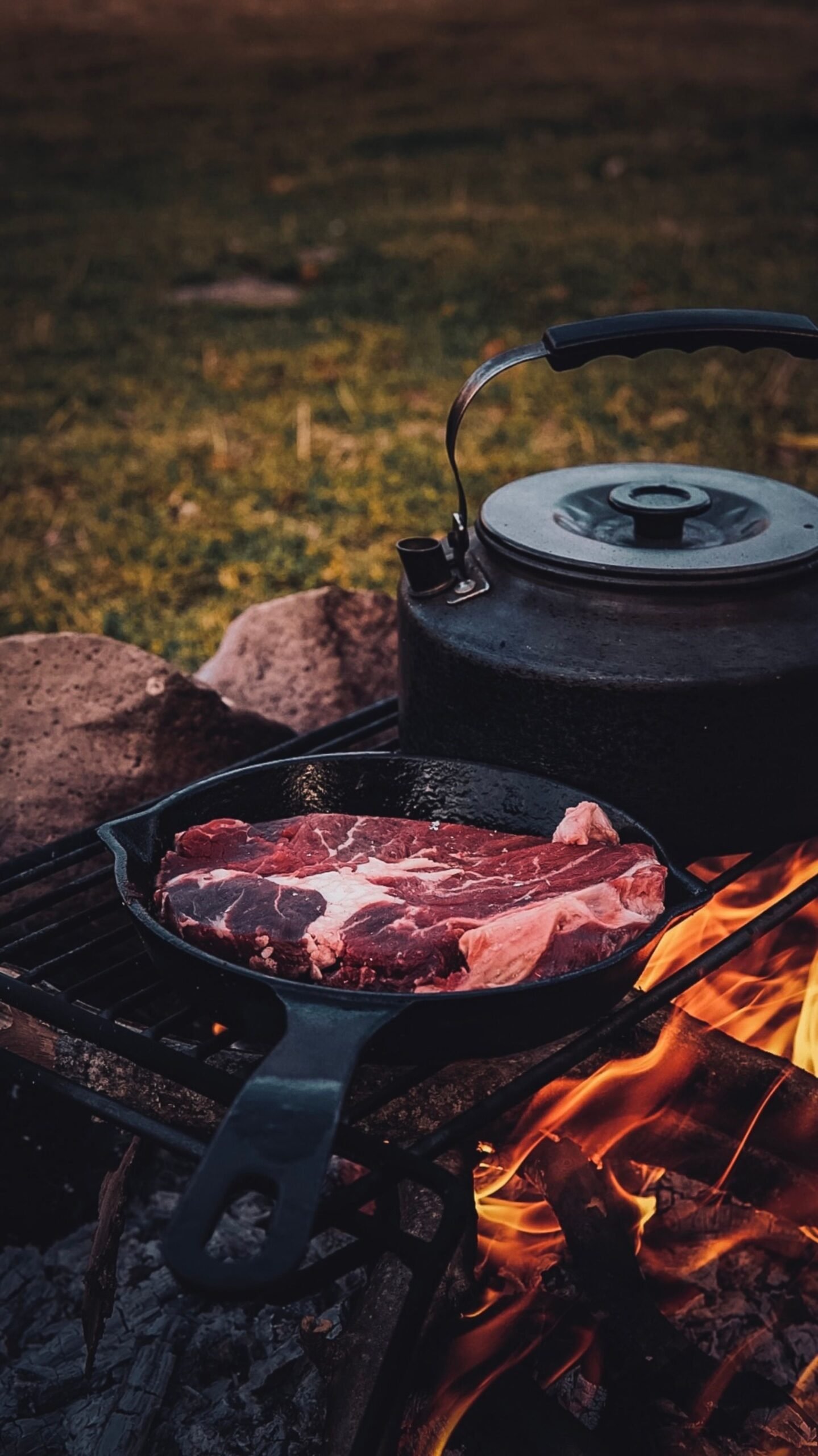
Smithey Ironware No. 12 Cast Iron Skillet — When You Want the Best
Smithey Ironware is the American cast iron revival done right. Made in Charleston South Carolina by craftspeople who treat cast iron manufacturing as the skilled trade it actually is the Smithey No. 12 is the answer to “what’s the best cast iron skillet money can buy in the mid-range premium category.”
What it does well:
The machined cooking surface is what separates Smithey from Lodge in practical performance terms. Where Lodge arrives with a slightly rough sand-cast surface Smithey’s cooking surface is ground and polished to a smoothness that vintage cast iron enthusiasts pay significant money to achieve through years of use. The result is non-stick performance from the first cook rather than the tenth — relevant for wild game cooking where surface release properties matter significantly for lean meat.
The heat distribution on the Smithey No. 12 is more even than Lodge’s equivalent size — the machining process removes high spots in the cooking surface that create uneven heat distribution. For wild game specifically where you’re cooking a venison backstrap that needs uniform sear across the entire surface this matters. One side of the pan isn’t hotter than the other. The sear is consistent.
The handle is noticeably better than Lodge’s — longer, more ergonomically shaped, and angled slightly upward to improve balance when the pan is loaded with food. After a long day in the field handling a well-designed tool matters more than it might otherwise.
The seasoning depth and quality on a well-used Smithey is exceptional. After a season of cooking wild game on a Smithey the surface develops a depth and slickness that makes every subsequent cook easier. It’s the cast iron equivalent of a well-worn hunting boot — the longer you use it the better it works.
Where it struggles:
Price. At $200–$225 for a single skillet a Smithey costs 5–7x what a Lodge equivalent costs. For the hunter on any kind of budget that math is hard to justify when a Lodge delivers excellent results. The Smithey is better — meaningfully better in surface quality and cooking performance — but it’s not 5x better. It’s a premium product for people who want the best and are willing to pay for it.
Best for wild game: Everything Lodge does but with better surface release, more even heat, and better ergonomics. Venison backstrap, fish, duck breast, turkey — the Smithey handles all of it with more finesse.
Who it’s for: The serious wild game cook who wants the best performing cast iron available in the mid-premium range. Someone who cooks wild game multiple times per week and wants tools that match their commitment. Also an exceptional gift for the hunter in your life who already has Lodge and is ready for an upgrade.
- Size: 12 inch (also available in 10 and 14 inch)
- Surface: Machine ground and polished
- Weight: 7.5 lbs — lighter than Lodge 12 inch
- Pre-seasoned: Yes — organic flaxseed oil
- Made in: USA — Charleston South Carolina
- Oven safe: Yes — up to 700°F
- Induction compatible: Yes
- Where to buy: Smithey.com
- Price range: $175–$225
The Best Professional Pick — $225 and Up
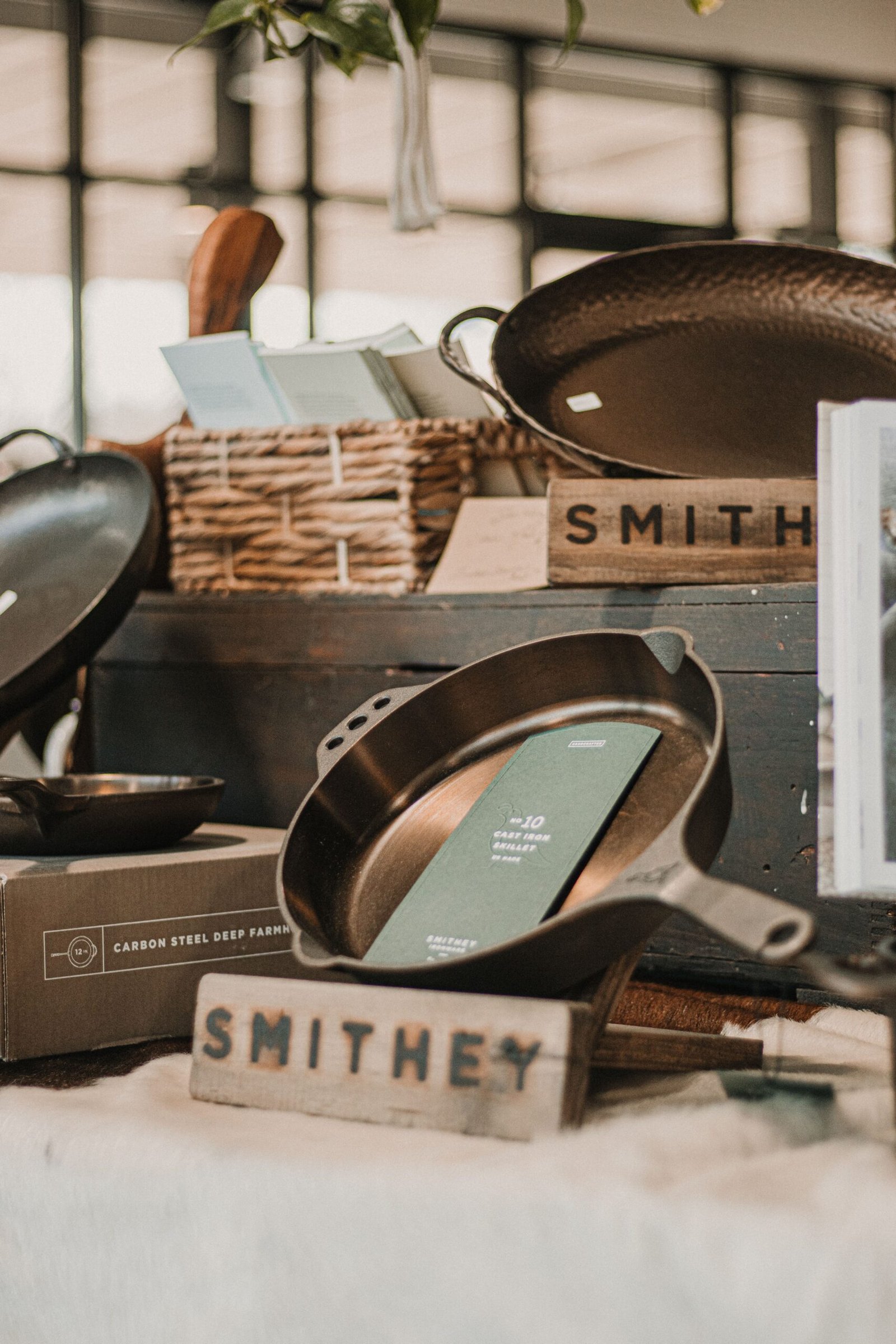
Field Company No. 10 Cast Iron Skillet — The Lightweight Premium Option
Field Company makes the argument that the best cast iron doesn’t have to be the heaviest and they make it convincingly. The Field No. 10 is significantly lighter than comparable Lodge or Smithey skillets — without sacrificing the heat retention and cooking performance that makes cast iron worth using in the first place.
What it does well:
The weight reduction is the headline feature — the Field No. 10 weighs 4.2 pounds compared to the Lodge 10.25-inch at 5 pounds. That doesn’t sound dramatic until you’re handling a hot pan one-handed at camp or carrying it in a pack to a backcountry elk camp. The Field Company achieves this through a proprietary casting process that produces a thinner wall profile while maintaining structural integrity and heat retention.
The cooking surface is machined to a smoothness comparable to Smithey’s — non-stick performance from the first cook rather than requiring a long seasoning-build period. For a hunter who wants premium performance immediately without the patience of building up a Lodge over multiple seasons the Field Company delivers from day one.
The design is notably cleaner than other cast iron options — smooth lines, a beautifully proportioned handle, no rough edges or casting imperfections. This is cast iron as an object of craftsmanship not just a cooking tool. It looks as good on a cabin kitchen wall as it performs on the stovetop.
The heat control on the Field No. 10 is slightly more responsive than heavier cast iron — because there’s less thermal mass in the pan it heats faster and cools faster than a Lodge or Smithey. For hunters who cook a variety of wild game at different temperatures this responsiveness is an advantage — you can move from high heat searing to medium heat basting without the long waiting period that heavier cast iron requires.
Where it struggles:
The lighter weight and thinner profile mean slightly less heat retention than heavier alternatives — specifically relevant when you load the pan with multiple cold pieces of wild game at once. A Lodge 12-inch absorbs the thermal shock of cold protein hitting hot iron better than the Field No. 10 does. For cooking single pieces at a time the difference is negligible. For cooking large batches the heavier options have an edge.
The price is significant — at $200–$250 for a single skillet the Field Company is the most expensive option on this list and the hardest to justify purely on cooking performance grounds.
Best for wild game: Venison backstrap, single fish fillets, duck breast, turkey cutlets — any wild game application where you’re cooking single or small portions at controlled temperatures.
Who it’s for: The backcountry hunter who wants genuine cast iron performance in the lightest possible package. The serious wild game cook who wants the combination of premium surface quality and reduced weight. Someone who wants cast iron as an heirloom object as much as a cooking tool.
- Size: No. 10 (11.6 inch)
- Weight: 4.2 lbs (No. 10) — significantly lighter than Lodge equivalent
- Surface: Machine polished
- Pre-seasoned: Yes — grapeseed oil
- Made in: USA
- Oven safe: Yes — up to 600°F
- Induction compatible: Yes
- Where to buy: FieldCompany.com or Amazon — search “Field Company No. 10 cast iron skillet”
- Price range: $200-$250
The Best Cast Iron Dutch Oven for Wild Game
Lodge 7 Quart Cast Iron Dutch Oven — The One Pot Wild Game Kitchen
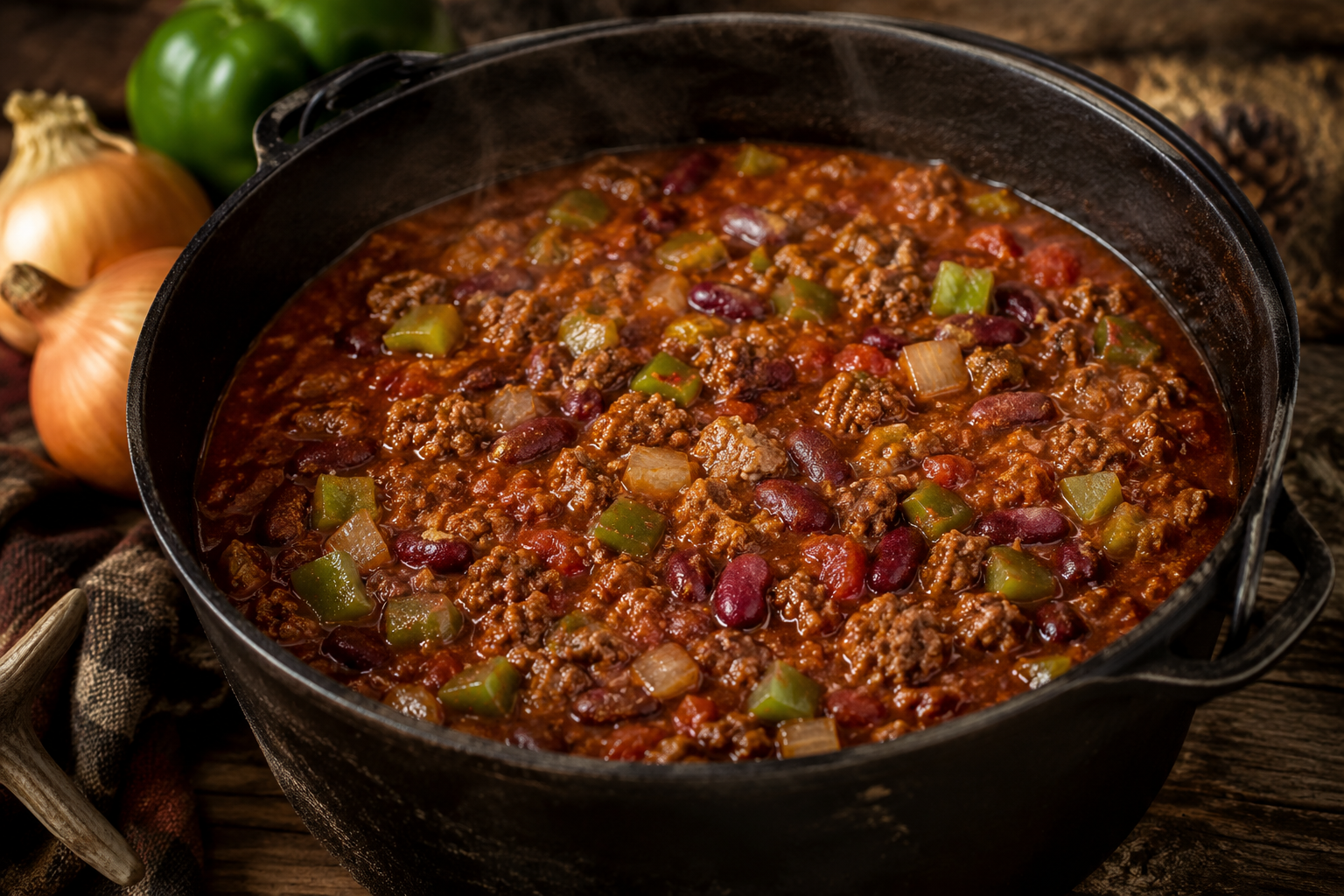
A Dutch oven belongs in every wild game kitchen alongside a skillet. Where the skillet handles searing, frying, and quick cooks the Dutch oven handles everything that needs long slow heat — venison stew, braised turkey legs, venison chili, slow-cooked roasts. The Lodge 7-quart is the standard.
What it does well:
Seven quarts is the right size for feeding a hunting camp of four to six people. Large enough for a batch of venison chili that carries through two nights. Big enough for a whole wild turkey breast braised in stock and aromatics. The 7-quart Lodge handles virtually any wild game recipe that calls for a Dutch oven.
The tight-fitting lid is what makes a Dutch oven different from a deep skillet. The seal traps moisture and circulates it back onto the food — creating a self-basting environment that’s ideal for lean wild game that would otherwise dry out during long cooking. Braised venison shoulder that would be dry and tough in an open pan becomes fork tender and deeply flavored in a Dutch oven because the moisture never escapes.
The Lodge 7-quart works on any heat source — gas, electric, induction, campfire, camp stove. The enamel-free version can go directly into coals for Dutch oven cooking in the traditional camp style. This versatility makes it the most universally useful piece of cast iron cookware for hunters who cook in multiple environments.
Best for wild game: Venison chili, venison stew, braised turkey legs, pulled venison roast, wild boar shoulder, camp beans with venison, any braise or slow cook.
- Capacity: 7 quart
- Weight: 15.2 lbs
- Pre-seasoned: Yes
- Made in: USA
- Oven safe: Yes — up to 400°F
- Campfire compatible: Yes — raw cast iron version
- Amazon: Search “Lodge 7 quart cast iron Dutch oven”
- Price range: $80
Cast Iron Skillet Comparison Chart
| Model | Size | Weight | Surface | Price | Best For |
|---|---|---|---|---|---|
| Lodge L8SK3 | 10.25 inch | 5 lbs | Sand cast | $20–$30 | Entry level — every wild game application |
| Lodge 12 inch | 12 inch | 8 lbs | Sand cast | $30–$50 | Best all-around — most versatile size |
| Lodge Combo Cooker | 10.25 + lid | 12 lbs | Sand cast | $60–$75 | Maximum versatility — skillet and Dutch oven |
| Smithey No. 12 | 12 inch | 7.5 lbs | Machine polished | $200–$225 | Premium performance — smoother surface |
| Field Company No. 10 | 11.6 inch | 4.2 lbs | Machine polished | $200–$250 | Lightweight premium — backcountry |
| Lodge Dutch Oven 7qt | 7 quart | 15.2 lbs | Sand cast | $80 | Braises, stews, camp cooking |
Frequently Asked Questions
Is cast iron really better than stainless steel for wild game? For searing and frying — yes, meaningfully so. Cast iron’s heat retention allows it to maintain temperature when cold protein hits the hot surface better than stainless. For braising and slow cooking the difference is minimal — a good stainless Dutch oven performs comparably to cast iron for long moist-heat cooking.
Can I use cast iron on an induction stove? Yes — all cast iron is induction compatible because it’s magnetic. This includes all Lodge, Smithey, and Field Company products. Cast iron is actually excellent for induction cooking because the flat bottom and high mass work perfectly with induction’s even heat distribution.
How do I know when cast iron is hot enough to sear venison? The water droplet test — flick a few drops of water onto the surface. If they sizzle and evaporate immediately the pan is at medium heat. If they bead up and dance across the surface in mercury-like balls the pan is at high heat — Leidenfrost effect — and ready to sear. For venison backstrap you want the dancing droplet stage.
Will cooking fish ruin my cast iron for venison? No — but it requires proper cleaning between uses. Fish oils left in the pan will transfer flavor to subsequent venison cooks. Clean thoroughly after fish — a salt scrub followed by a warm water rinse — and re-oil before storing. The pan is not damaged — it just needs to be cleaned more thoroughly than after venison.
What size cast iron do most hunters actually need? A 12-inch skillet covers 80% of wild game cooking scenarios. If budget allows add a 6-quart Dutch oven for braises and stews and a 10-inch for single-serving cooks. That three-piece set handles virtually every wild game recipe ever written.
Is expensive cast iron worth it for a hunter? Depends on how much you cook. If you cook wild game twice a week the difference between Lodge and Smithey is genuinely noticeable and worth the premium. If you cook wild game twice a month Lodge is all you need. The cooking results justify the premium for serious and frequent wild game cooks. For occasional cooks the Lodge is the answer.
The Bottom Line — Which Cast Iron Should You Buy
Let me make this simple:
Never cooked with cast iron before — start here: → Lodge L8SK3 10.25 inch — $20–$30. Best possible entry point. You can’t make a wrong decision here.
Ready for the most versatile single purchase: → Lodge 12 inch cast iron skillet — $30–$50. The size that handles every wild game cooking scenario.
Want maximum versatility from one purchase: → Lodge Combo Cooker — $60–$75. Skillet and Dutch oven in one. The best value-to-versatility ratio on this list.
Want premium surface performance: → Smithey No. 12 — $200–$225. Machined surface, better heat distribution, lighter than Lodge equivalent. Worth the premium for serious cooks.
Want lightweight premium for backcountry: → Field Company No. 10 — $200–$250. Lightest premium cast iron available. The backcountry hunter’s choice.
Need a Dutch oven for camp cooking and braises: → Lodge 7 Quart Dutch Oven — $80. The one pot wild game kitchen.
Conclusion
Cast iron and wild game belong together. The heat retention that makes venison sear properly instead of steam. The seasoning layer that releases lean fish without sticking. The versatility that takes the same pan from cabin stovetop to campfire grate without a second thought. No other pan does all of this — and no other pan improves with every use the way cast iron does.
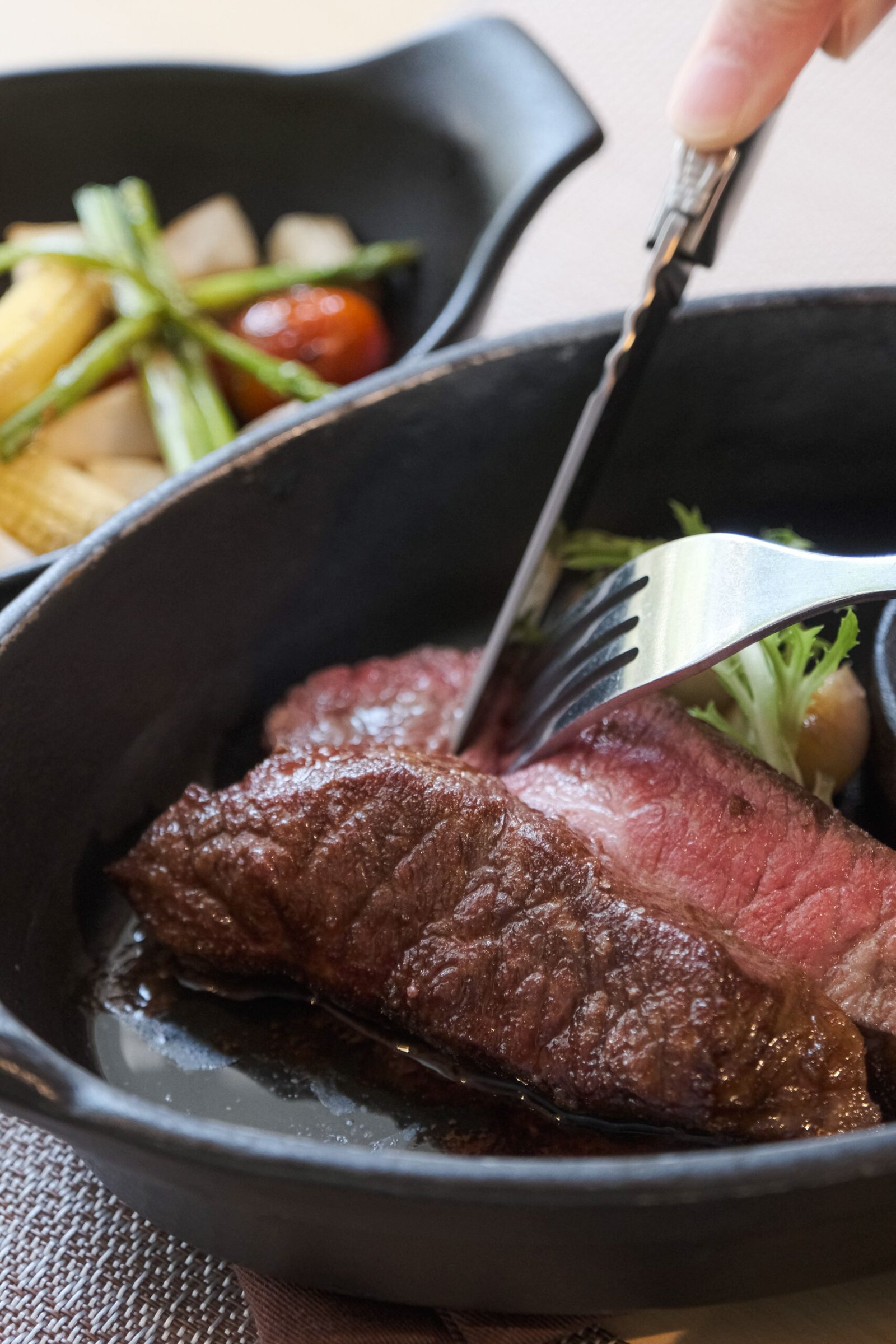
Start with a Lodge 12-inch if you’re starting from scratch. Cook your first venison backstrap in it screaming hot with a tablespoon of beef tallow. Pull it at 125°F, rest it three minutes, slice it against the grain, and taste what field to table cooking is supposed to taste like.
That’s what cast iron does for wild game. That’s why every serious outdoor cook has one and why they reach for it every time.
What’s your go-to cast iron for wild game? Drop it in the comments — I’m always looking for what’s working in other hunters’ kitchens.